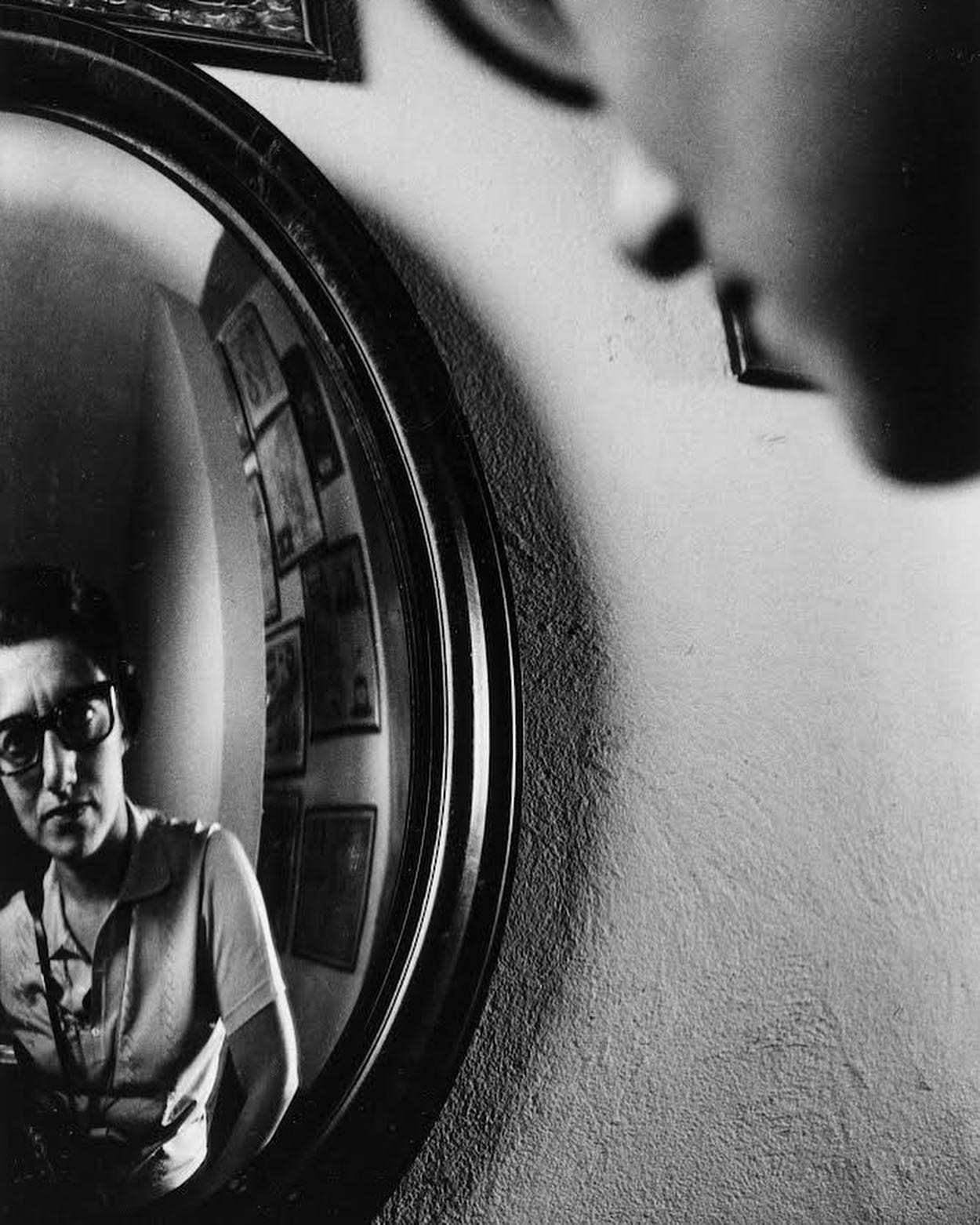
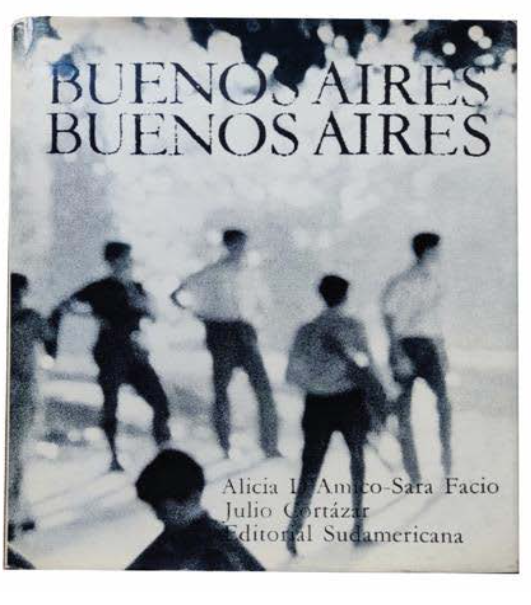
El sensible año de 1968 -protagonista de movimientos estudiantiles, revoluciones políticas y sociales en gran parte de Occidente- fue el momento de publicación del primer fotolibro que realizó DAFA, Buenos Aires Buenos Aires, dedicado a los contrastes de esta ciudad, tanto en lo que respecta a su población como a su arquitectura.

Cada vez que debían cumplir con encargos fotográficos que las llevaba a recorrer la ciudad, DAFA salía con sus cámaras a capturar momentos únicos para este proyecto, el cual se fue gestando entre 1964 y 1967. La Editorial Sudamericana lo publicó con prólogo de Julio Cortázar. Según Sara Facio, la inclusión del escritor argentino asentado en París no fue propuesta por ellas, sino por la editorial, ya que al no ser frecuentes los libros de fotografía se buscaba a un escritor de renombre para hacer atractiva su venta. Este hecho fue el inicio de un intercambio amistoso con el escritor a lo largo de los años, a quien retrataron tiempo después para el fotolibro Retratos y Autorretratos y quien también participa del fotolibro Humanario. Buenos Aires Buenos Aires se detiene en la poética absurda que inunda a la ciudad, la que motiva a Tomás Eloy Martínez a hablar de su magia, del juego entre lo comprensible y lo irracional que conviven de forma natural. Así indica: “A través de estas fotografías, Buenos Aires se revela como la ciudad de la exageración, del todo o nada: o propone un desierto absoluto en las veredas y en los muelles, o narra la fermentación de la muchedumbre, los movimientos del rebaño. (…) una ciudad en donde todos los hombres llevan corbata (…) tiene que ser o una feria de locos o un campo de adiestramiento para criaturas voladoras.” (Martínez, 1968: 25)
María Laura Rosa
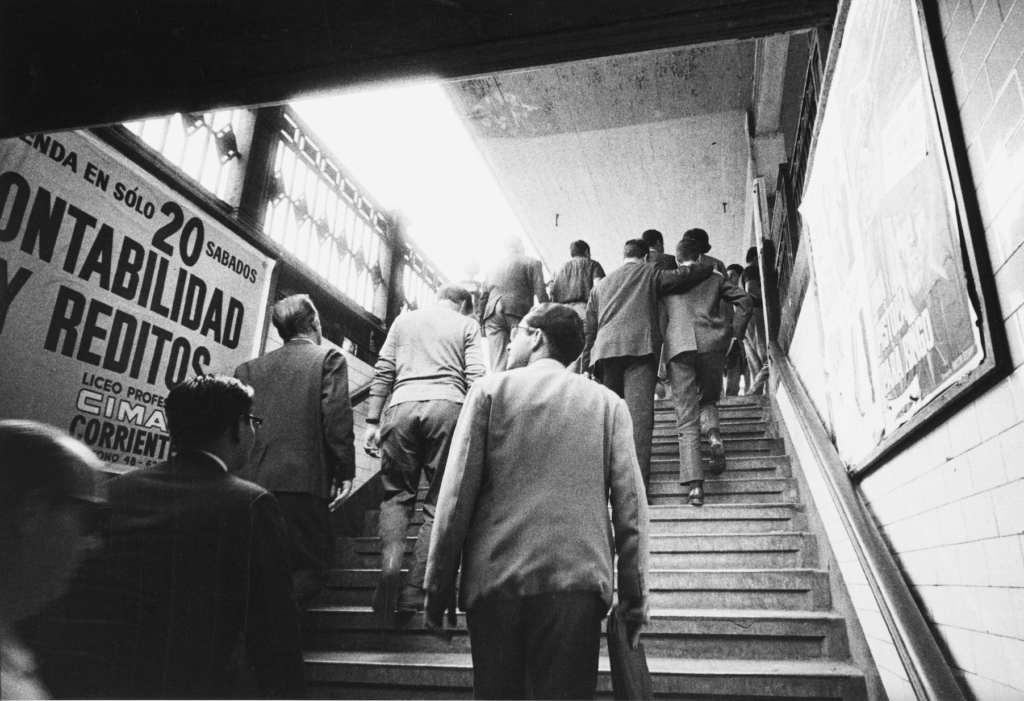
De la serie Buenos Aires. Buenos Aires
Salida del Subterráneo Lacroze
Año 1968
Copia de época
Fotografía
Gelatina de plata sobre papel fibra
Dimensiones 21 x 30,5 cm
From the series Buenos Aires. Buenos Aires
Salida del Subterráneo Lacroze
Year 1968
Vintage print
Photography
Gelatin silver print on fiber paper
Dimensions 8.3 x 12 in
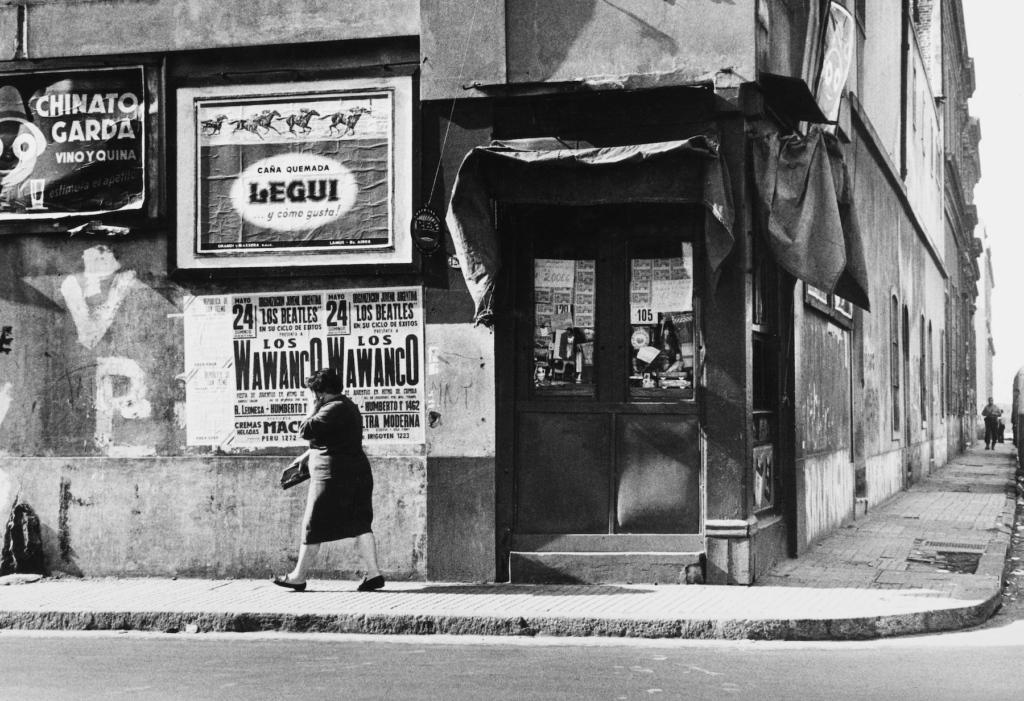
De la serie Buenos Aires. Buenos Aires
Barrio de San Telmo
Año 1962
Copia de época
Fotografía
Gelatina de plata sobre papel fibra
Dimensiones 21 x 30,5 cm
From the series Buenos Aires. Buenos Aires
Barrio de San Telmo
Year 1962
Vintage print
Photography
Gelatin silver print on fiber paper
Dimensions 8.26 x 12 in
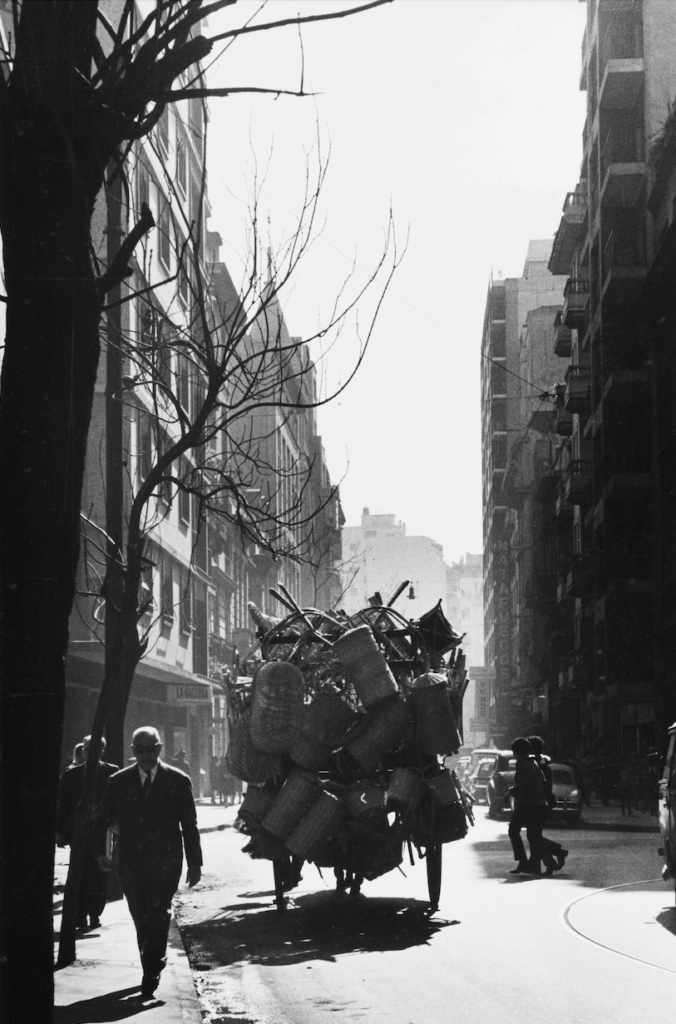
De la serie Buenos Aires. Buenos Aires
Canastero
Año 1964
Copia de época
Fotografía
Gelatina de plata sobre papel fibra
Dimensiones 20 x 29 cm
From the series Buenos Aires. Buenos Aires
Canastero
Year 1964
Vintage print
Photography
Gelatin silver print on fiber paper
Dimensiones 20 x 29 cm
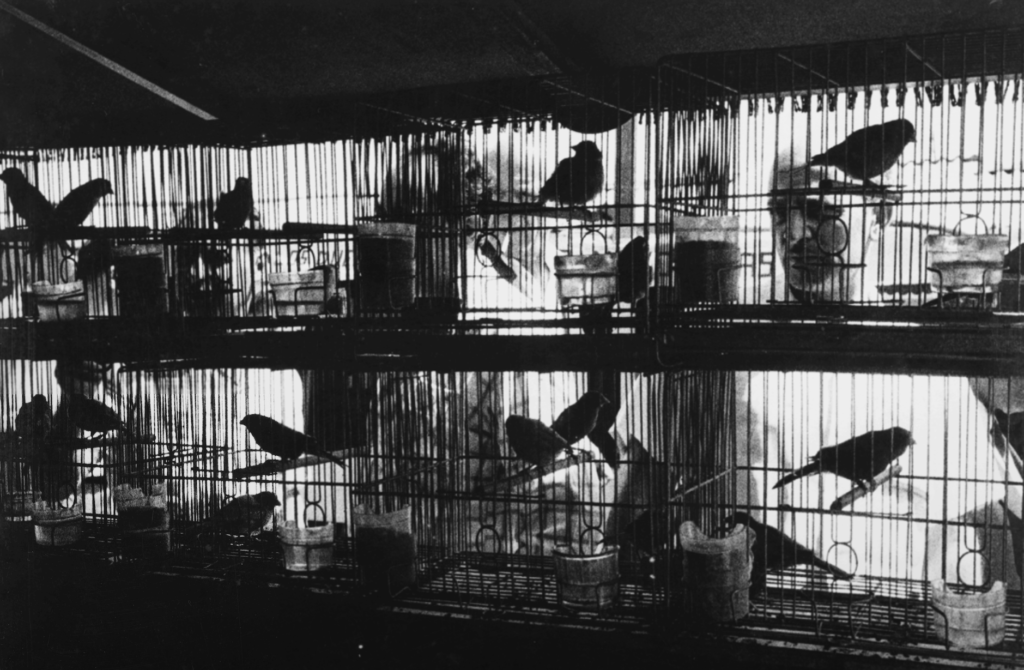
De la serie Buenos Aires. Buenos Aires
El Muro Transparente
Año 1961
Copia de época
Fotografía
Gelatina de plata sobre papel fibra
Dimensiones 38 x 25 cm
From the series Buenos Aires. Buenos Aires
El Muro Transparente
Year 1961
Vintage print
Photography
Gelatin silver print on fiber paper
Dimensions 14.96 x 9.84 in
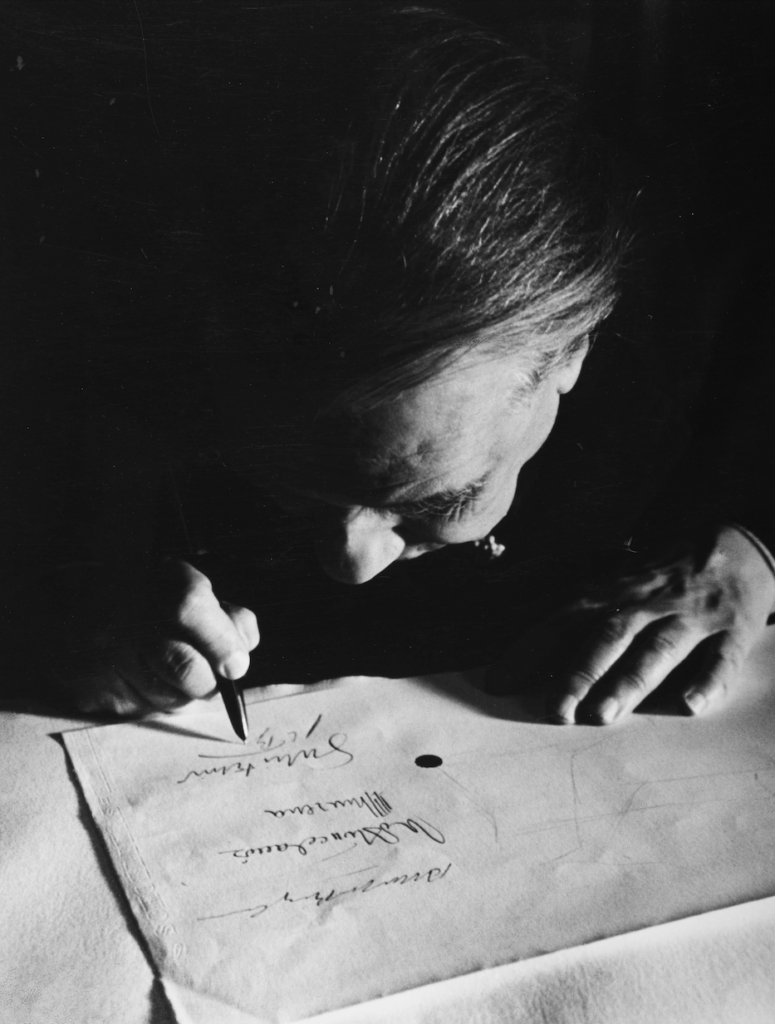
De la serie Buenos Aires. Buenos Aires
Jorge Luis Borges
Año 1963
Copia de época
Fotografía
Gelatina de plata sobre papel fibra
Dimensiones 23,5 x 30,8 cm
From the series Buenos Aires. Buenos Aires
Jorge Luis Borges
Year 1963
Vintage print
Photography
Gelatin silver print on fiber paper
Dimensions 9.25 x 15.16 in
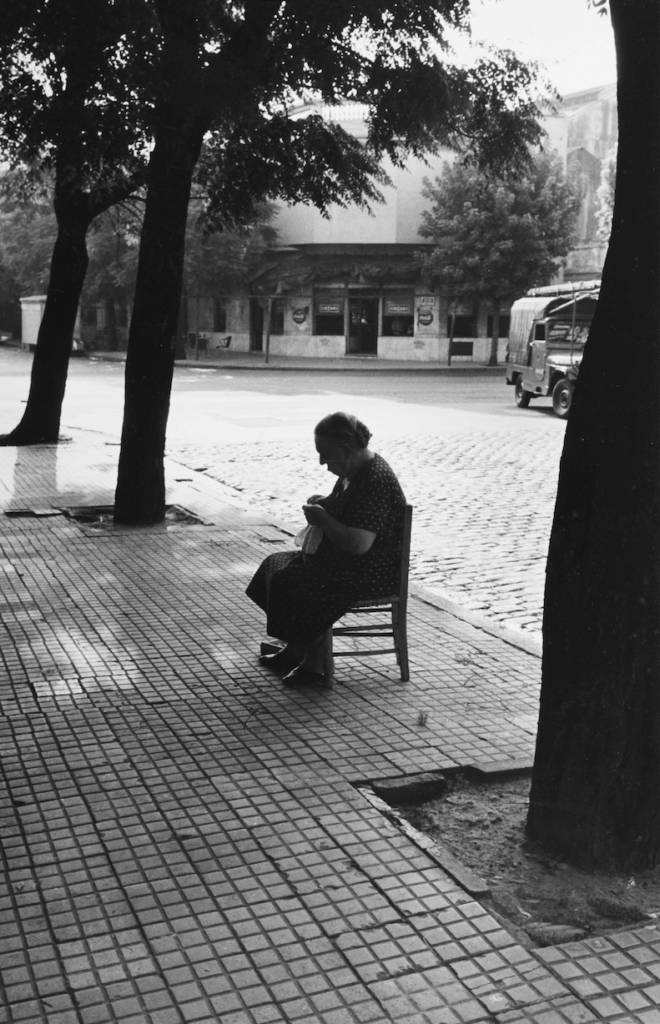
De la serie Buenos Aires. Buenos Aires
Descanso en la vereda
Año 1967
Copia de época
Fotografía
Gelatina de plata sobre papel fibra
Dimensiones 20 x 35 cm
De la serie Buenos Aires. Buenos Aires
Descanso en la vereda
Year 1967
Vintage print
Photography
Gelatin silver print on fiber paper
Dimensions 7.9 x 13.8 in
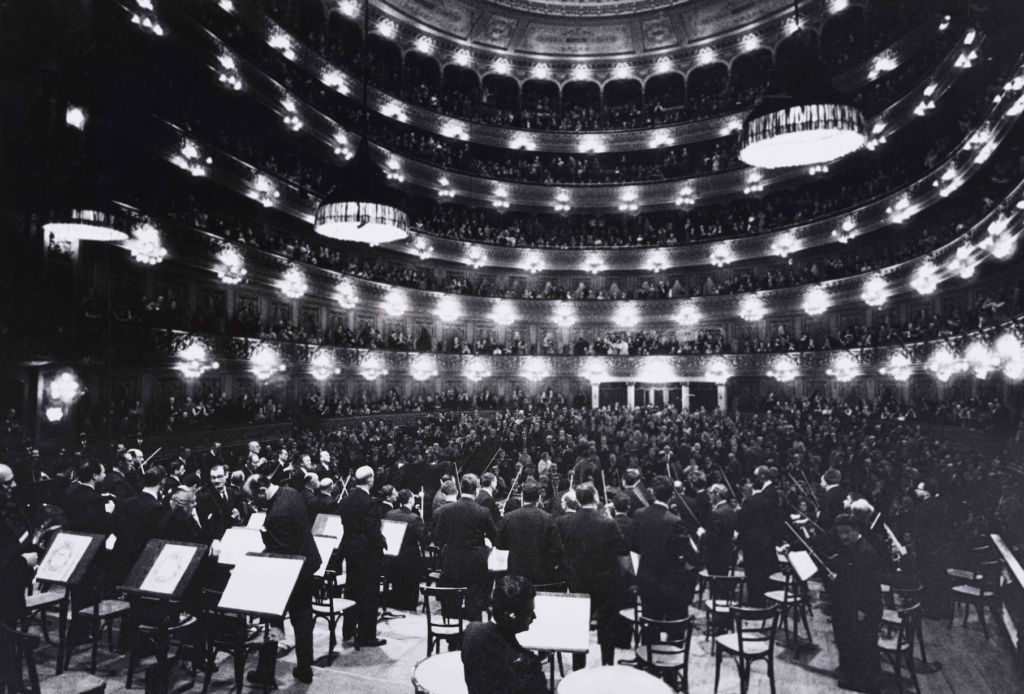
De la serie Buenos Aires. Buenos Aires
Teatro Colón
Año 1964
Vintage print
Photography
Gelatin silver print on fiber paper
Dimensions 7.9 x 11.4 in
From the series Buenos Aires. Buenos Aires
Teatro Colón
Year 1964
Copia de época
Fotografía
Gelatina de plata sobre papel fibra
Dimensiones 20 x 29 cm
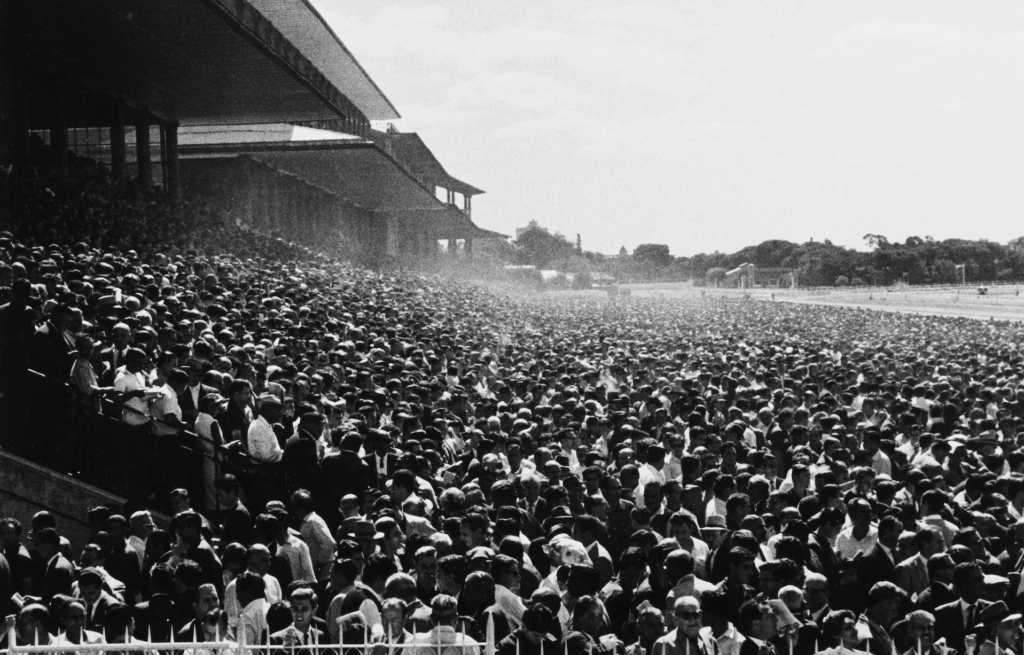
De la serie Buenos Aires. Buenos Aires
Hipódromo
Año 1968
Copia de época
Fotografía
Gelatina de plata sobre papel fibra
Dimensiones 19 x 29 cm
From the series Buenos Aires. Buenos Aires
Hipódromo
Year 1968
Vintage print
Photography
Gelatin silver print on fiber paper
Dimensions 7.5 x 11.4 in
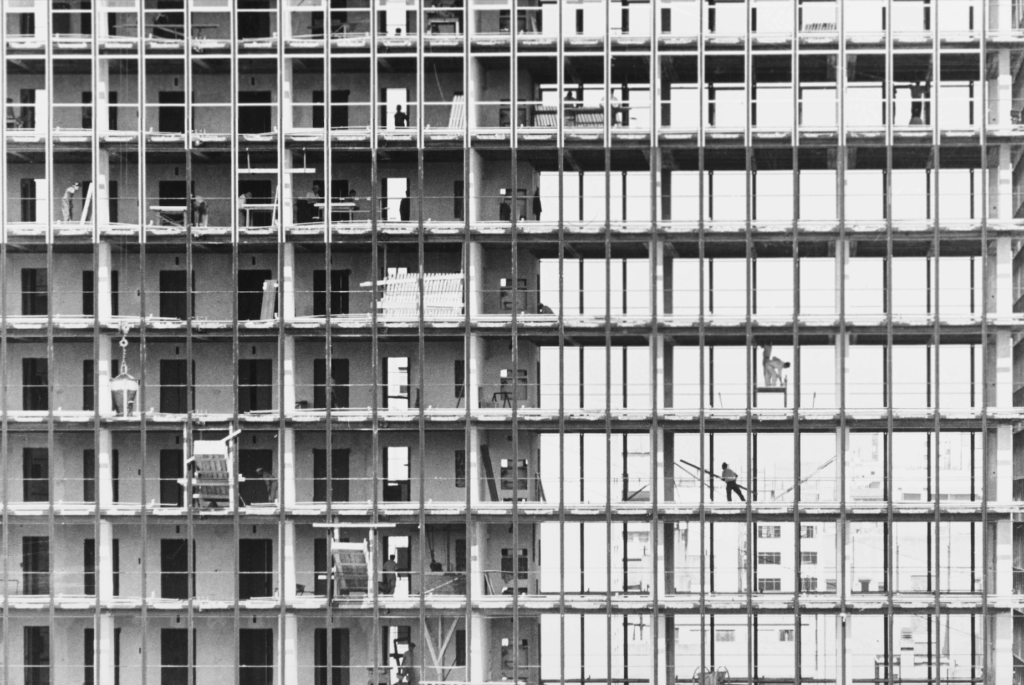
De la serie Buenos Aires. Buenos Aires
Silleros
Año 1963
Copia de época
Fotografía
Gelatina de plata sobre papel fibra
Dimensiones 21 x 30,5 cm
From the series Buenos Aires. Buenos Aires
Silleros
Year 1963
Vintage print
Photography
Gelatin silver print on fiber paper
Dimensions 8.3 x 12 in
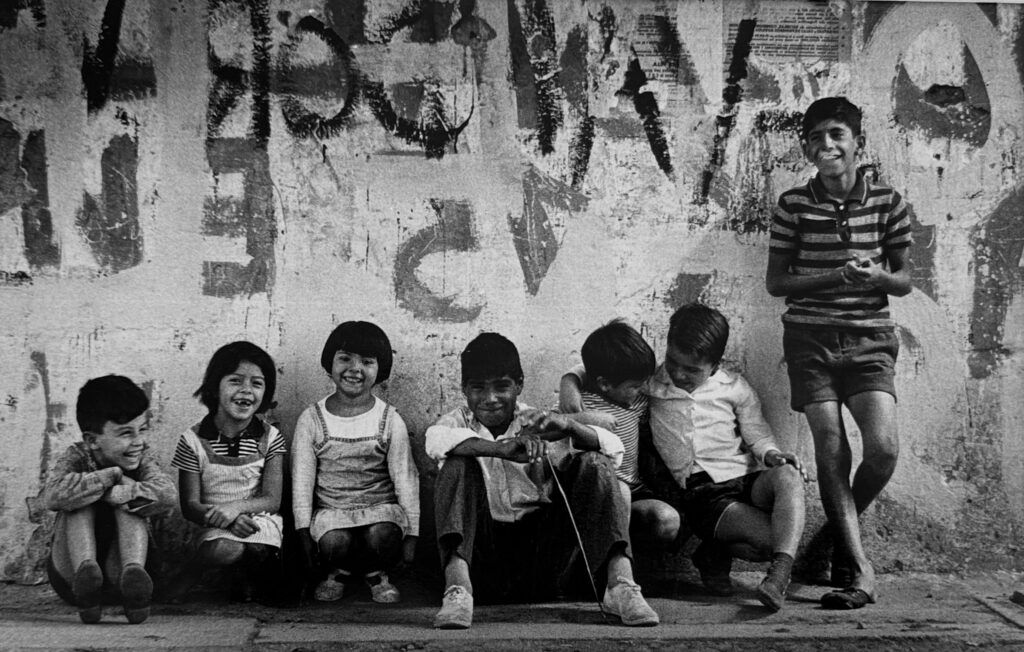
De la serie Buenos Aires. Buenos Aires
Juremos ser felices
Año 1965
Copia de época
Fotografía
Gelatina de plata sobre papel fibra
Dimensiones 29 x 18,5 cm
From the series Buenos Aires. Buenos Aires
Juremos ser felices
Year 1965
Vintage print
Photography
Gelatin silver print on fiber paper
Dimensions 11.4 x 7.3 in
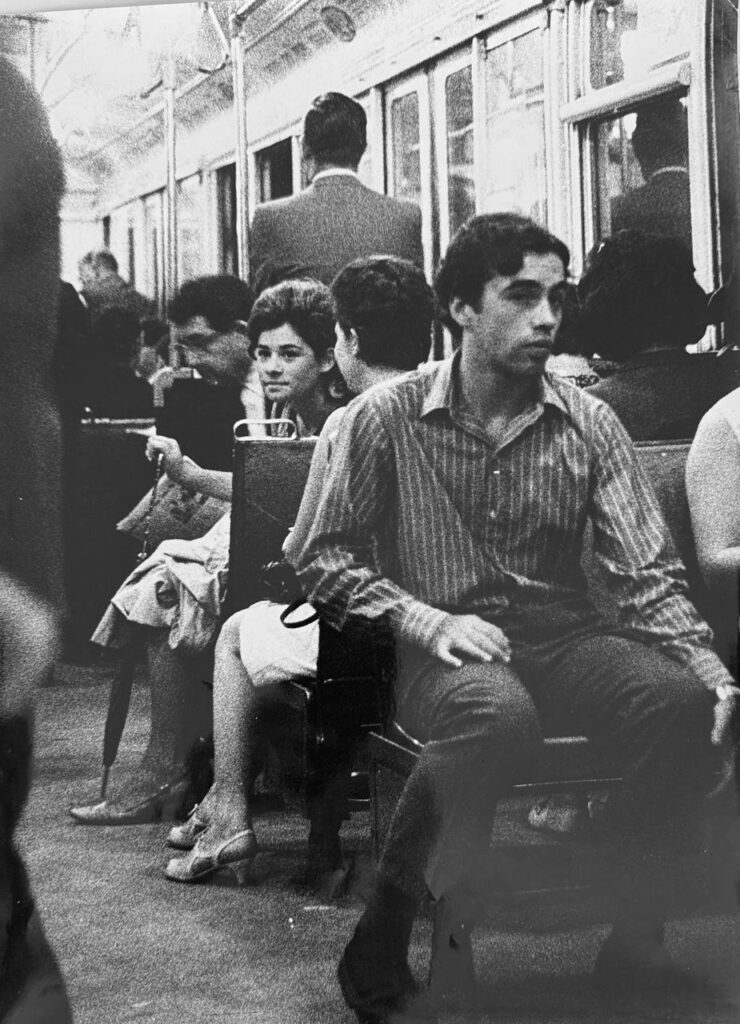
De la serie Buenos Aires. Buenos Aires
Coche de una de las líneas de subterráneo
Año 1968
Copia de época
Fotografía
Gelatina de plata sobre papel fibra
Dimensiones 30 x 40 cm
From the series Buenos Aires. Buenos Aires
Coche de una de las líneas de subterráneo
Year 1968
Vintage print
Photography
Gelatin silver print on fiber paper
Dimensions 11.8 x 15.8 in

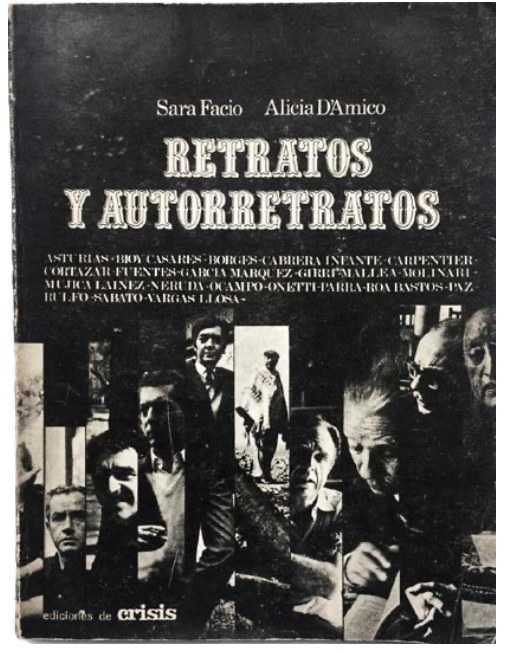
Retratos y Autorretratos consistió en un ensayo fotográfico que reunió a renombrados escritores de Latinoamérica y llevó el prólogo de Julio Cortázar. Fue publicado por la editorial Crítica en 1974. Esta experiencia editorial estuvo conformada por retratos que buceaban en el interior de cada personaje -todas figuras masculinas, a excepción de Silvina Ocampo quien salió cubriendo su rostro-, tomados con la mayor espontaneidad posible. D’Amico destacó el desafío que este proyecto implicó dado que buscaban indagar en la subjetividad de los escritores y trascender la idea que la gente tenía formada sobre ellos.
Es importante destacar que todos –a excepción de Silvina Ocampo– formaban parte del Boom Latinoamericano, un fenómeno cultural y editorial que se extendió entre 1960 y 1970, momento en que se reconoció internacionalmente las obras de jóvenes autores de la región, quienes publicaron títulos que se convirtieron en un éxito de ventas y fueron traducidos a múltiples idiomas. Las imágenes fueron acompañadas por la voz de los protagonistas, fórmula que, sin ser pionera –ya que la fotógrafa Felka la empleó para exponer sus retratos en la Galería Heroica de la Ciudad de Buenos Aires en 1958–, resulta interesante de desarrollar dado que les permitió salir del lugar común del retratado silencioso al integrar su voz a través de sus palabras. Las cámaras empleadas son dos: Leica M3- Leitz Wetzlar y M4-Leitz Wetzlar, 35 mm, con luz natural en exteriores y de ambiente en interiores. Es importante destacar que, en 1992 D’Amico y Facio fueron invitadas por el Centro Georges Pompidou de París a exhibir Retratos y Autorretratos bajo el nombre Figures et caracteres. La exposición se extendió hasta febrero de 1993 y luego itineró por bibliotecas nacionales de Francia durante dos años.
María Laura Rosa
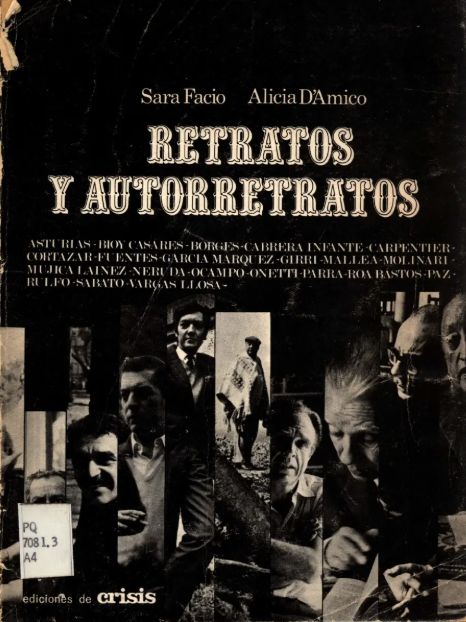
Libro
Año 1974
Fotografías Alicia D’Amico & Sara Facio
Textos Miguel Angel Asturias, Adolfo Bioy Casares, Jorge Luis Borges, Guillermo Cabrera Infante, Alejo Carpentier, Julio Cortázar, Carlos Fuentes, Gabriel García Marquez, Alberto Girri, Eduardo Mallea, Ricardo E. Molinari, Manuel Mujica Lainez, Pablo Neruda, Silvina Ocampo, Juan Carlos Onetti,
Nicanor Parra, Augusto Roa Bastos, Octavio Paz, Juan Rulfo, Ernesto Sábato, Mario Vargas Llosa.
Editorial Crisis
Producción La Azotea
Páginas 192
Tapa blanda
Dimensiones 27 x 20,5 cm
Book
Year 1974
Photographs Alicia D’Amico & Sara Facio
Texts Miguel Angel Asturias, Adolfo Bioy Casares, Jorge Luis Borges, Guillermo Cabrera Infante, Alejo Carpentier, Julio Cortázar, Carlos Fuentes, Gabriel García Marquez, Alberto Girri, Eduardo Mallea, Ricardo E. Molinari, Manuel Mujica Lainez, Pablo Neruda, Silvina Ocampo, Juan Carlos Onetti,
Nicanor Parra, Augusto Roa Bastos, Octavio Paz, Juan Rulfo, Ernesto Sábato, Mario Vargas Llosa.
Publishing house Crisis
Production La Azotea
Pages 192
Paperback
Dimensions 10.63 × 8.07 in
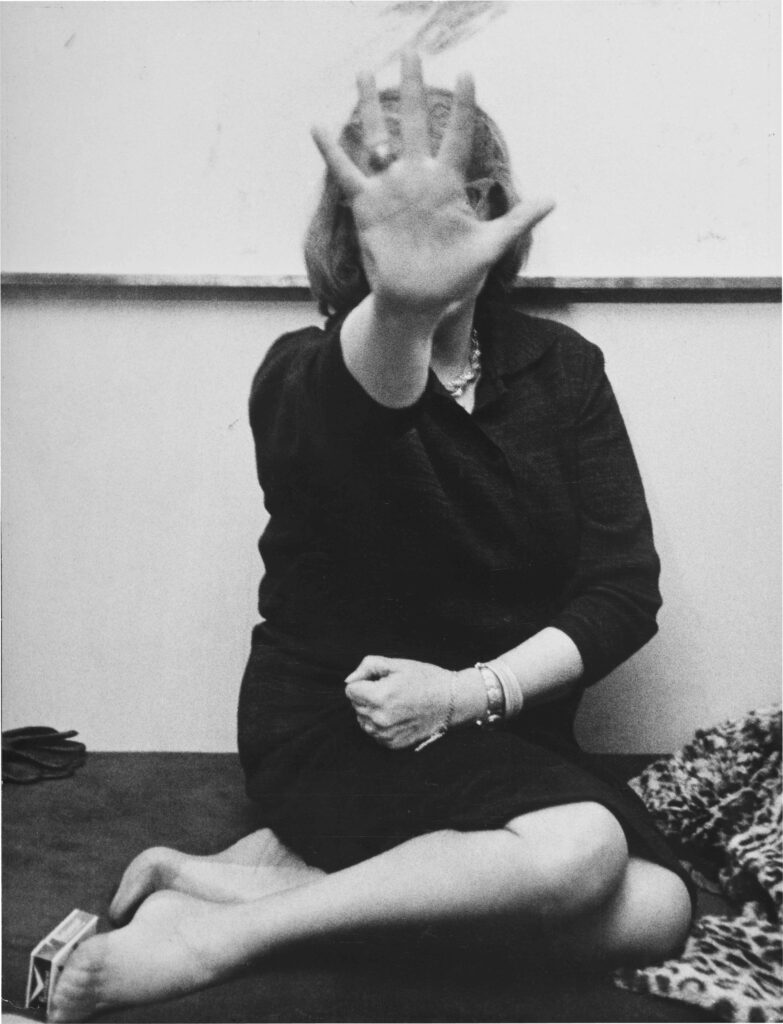
De la serie Retratos y Autorretratos
Silvina Ocampo
Año 1964
Copia de época
Fotografía
Gelatina de plata sobre papel fibra
Dimensiones 21,8 x 28,5 cm
From the series Retratos y Autorretratos
Silvina Ocampo
Year 1964
Vintage print
Photography
Gelatin silver print on fiber paper
Dimensions 8.58 × 11.22 in
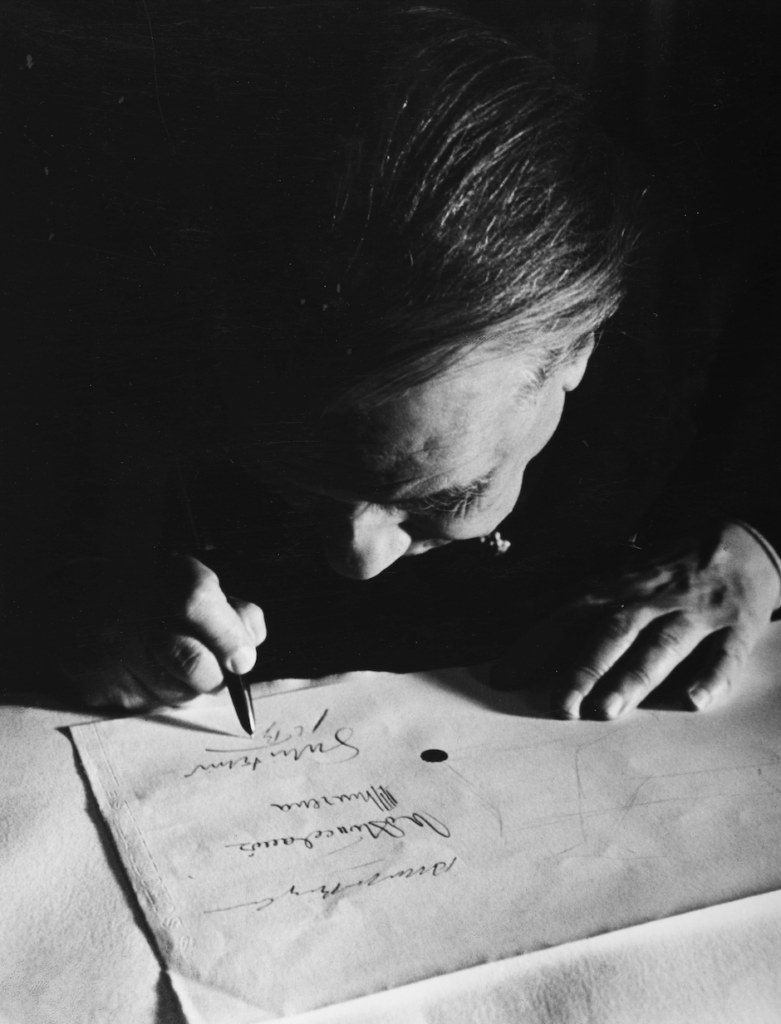
De la serie Retratos y Autorretratos
Jorge Luis Borges
Año 1963
Copia de época
Fotografía
Gelatina de plata sobre papel fibra
Dimensiones 23,5 x 30,8 cm
From the series Retratos y Autorretratos
Jorge Luis Borges
Year 1963
Vintage print
Photography
Gelatin silver print on fiber paper
Dimensions 9.25 x 15.16 in
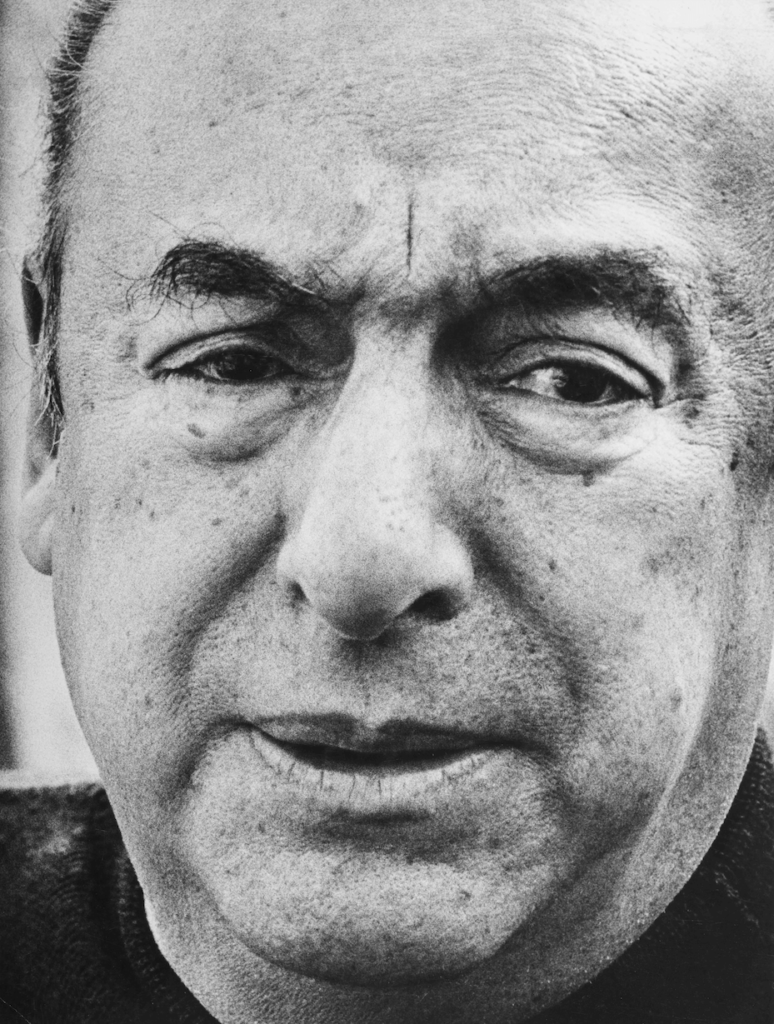
De la serie Retratos y Autorretratos
Pablo Neruda
Año 1969
Copia de época
Fotografía
Gelatina de plata sobre papel fibra
Dimensiones 22,5 x 30 cm
From the series Retratos y Autorretratos
Pablo Neruda
Year 1969
Vintage print
Photography
Gelatin silver print on fiber paper
Dimensions 8.86 x 11.81 in
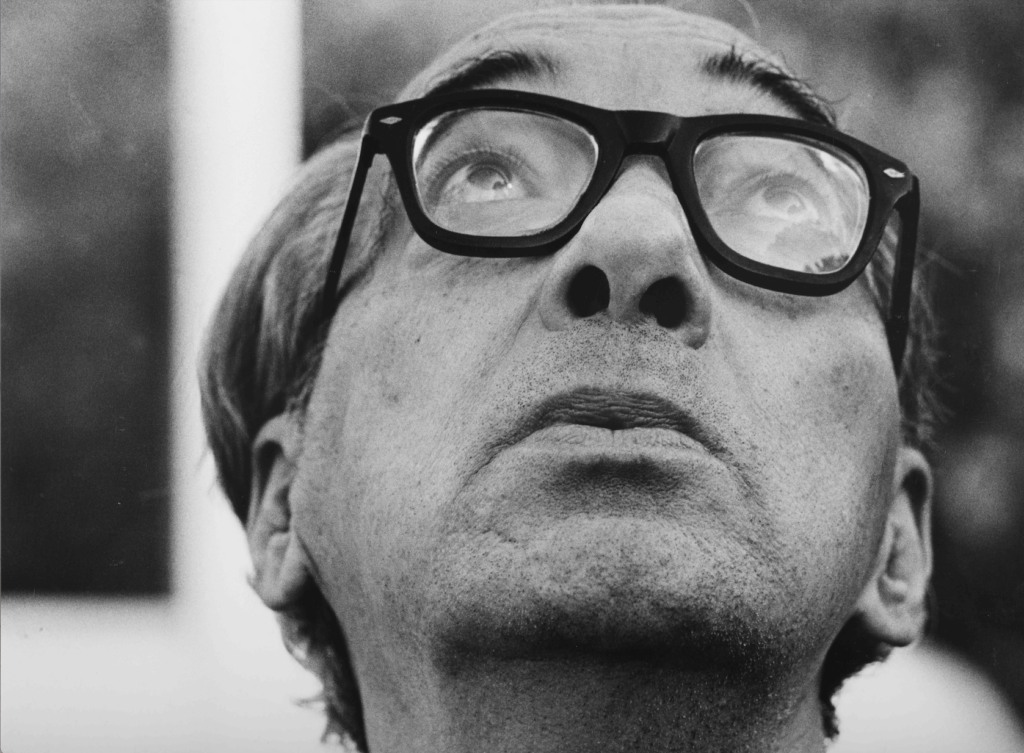
De la serie Retratos y Autorretratos
Juan Carlos Onetti
Año 1969
Copia de época
Fotografía
Gelatina de plata sobre papel fibra
Dimensiones 37,5 x 28 cm
From the series Retratos y Autorretratos
Juan Carlos Onetti
Year 1969
Vintage print
Photography
Gelatin silver print on fiber paper
Dimensions 14.76 x 11.02 in
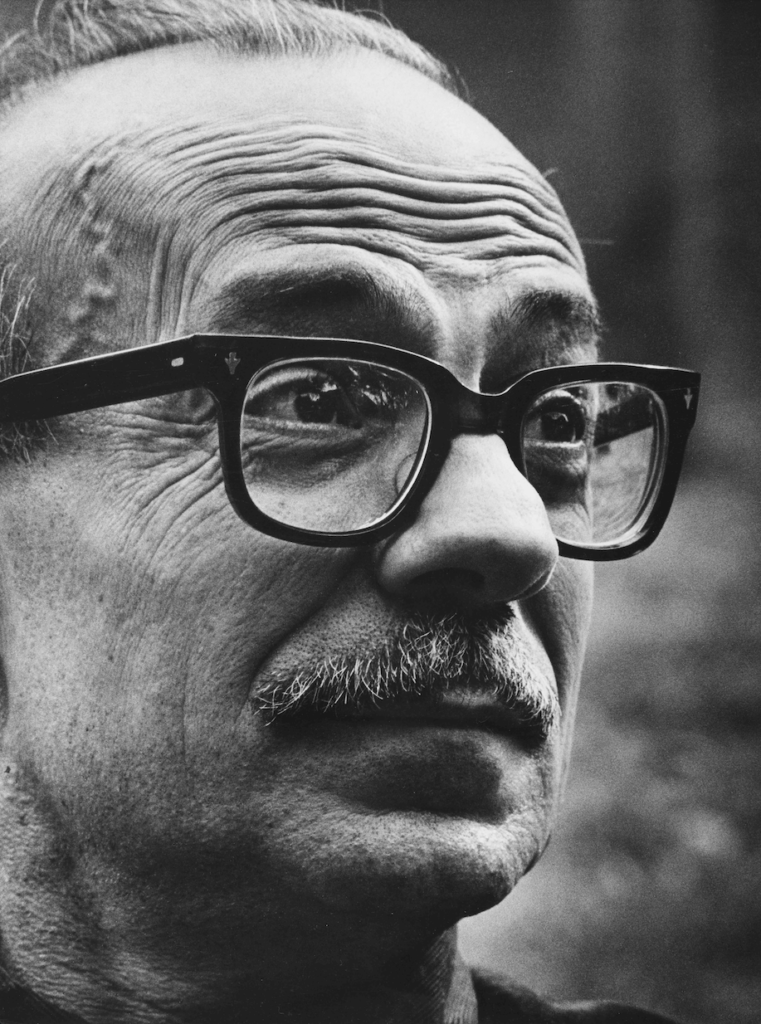
De la serie Retratos y Autorretratos
Ernesto Sabato
Año 1969
Copia de época
Fotografía
Gelatina de plata sobre papel fibra
Dimensiones 21,4 x 28 cm
From the series Retratos y Autorretratos
Ernesto Sabato
Year 1969
Vintage print
Photography
Gelatin silver print on fiber paper
Dimensions 8.43 x 11.02 in
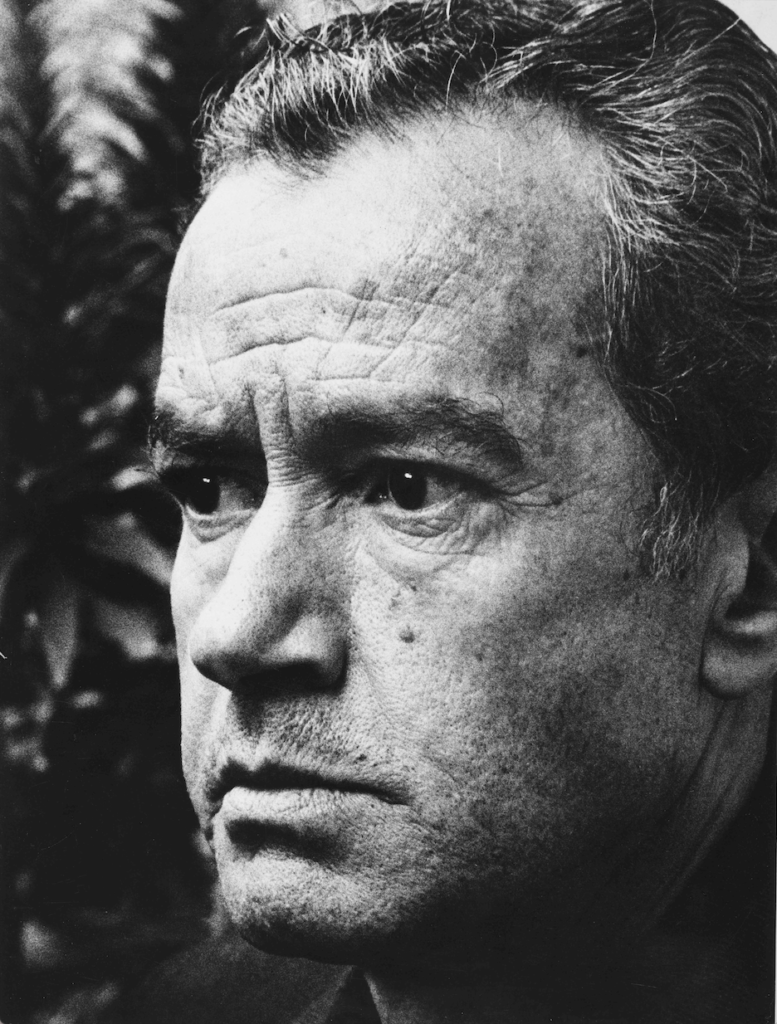
De la serie Retratos y Autorretratos
Juan Rulfo
Año 1969
Copia de época
Fotografía
Gelatina de plata sobre papel fibra
Dimensiones 21 x 28 cm
From the series Retratos y Autorretratos
Juan Rulfo
Year 1969
Vintage print
Photography
Gelatin silver print on fiber paper
Dimensions 8.27 x 11.02 in
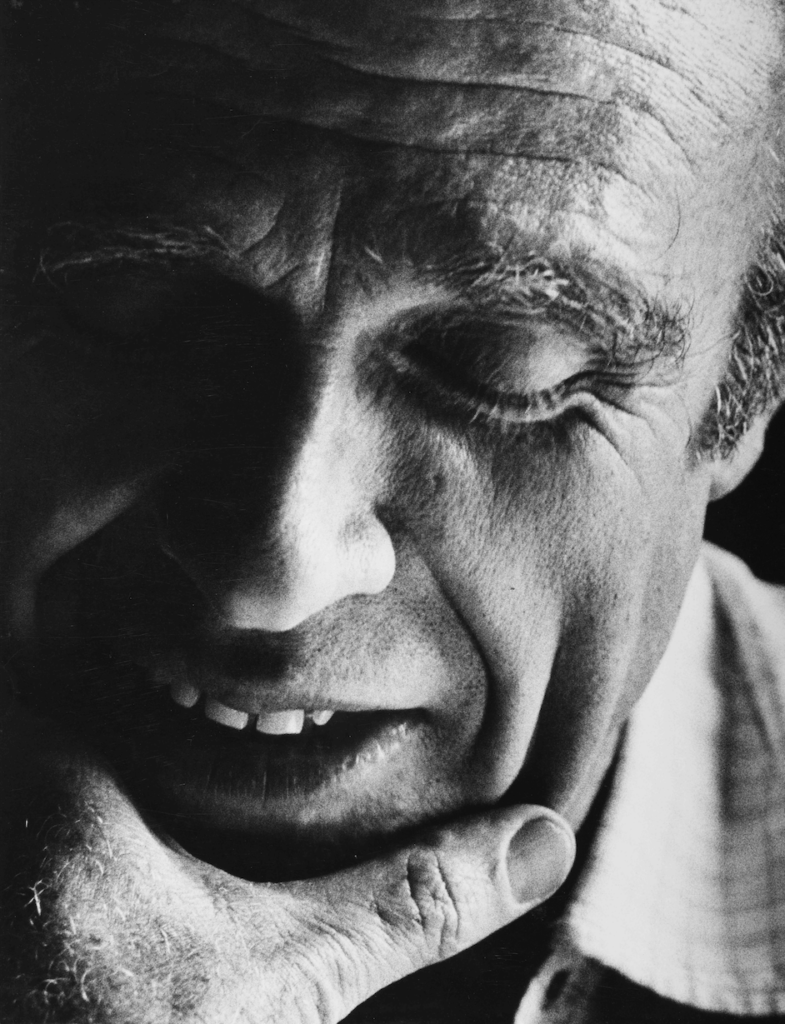
De la serie Retratos y Autorretratos
Adolfo Bioy Casares
Año 1969
Copia de época
Fotografía
Gelatina de plata sobre papel fibra
Dimensiones 24 x 34 cm
From the series Retratos y Autorretratos
Adolfo Bioy Casares
Year 1969
Vintage print
Photography
Gelatin silver print on fiber paper
Dimensions 9.45 x 13.39 in
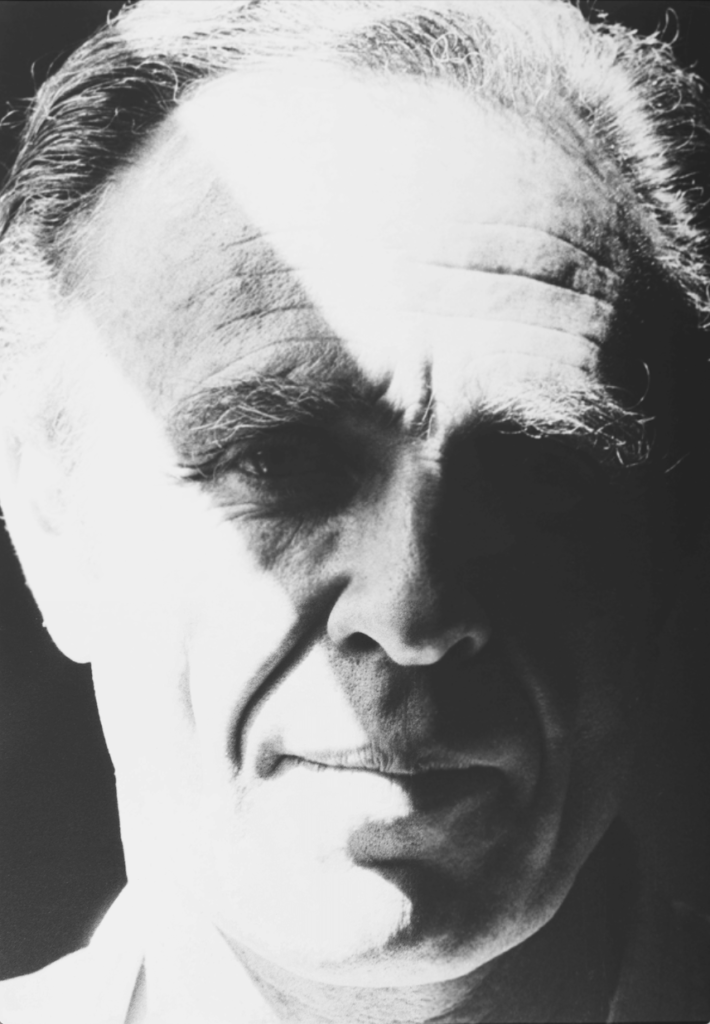
De la serie Retratos y Autorretratos
Adolfo Bioy Casares
Año 1969
Copia de época
Fotografía
Gelatina de plata sobre papel fibra
Dimensiones 24 x 34 cm
From the series Retratos y Autorretratos
Adolfo Bioy Casares
Year 1969
Vintage print
Photography
Gelatin silver print on fiber paper
Dimensions 9.45 x 13.39 in
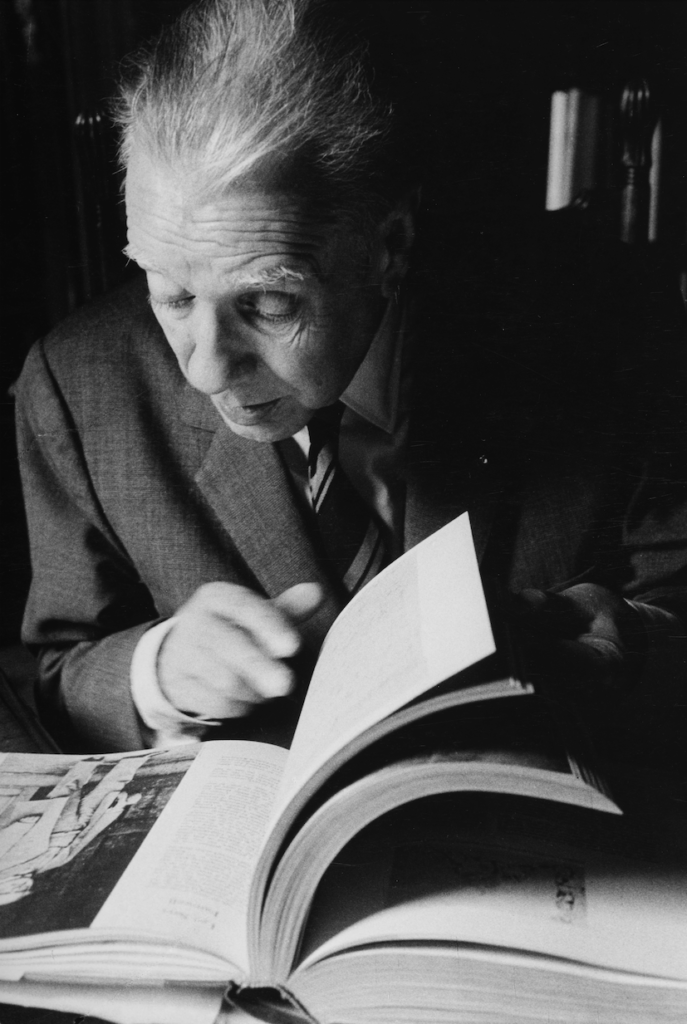
De la serie Buenos Aires. Buenos Aires
Jorge Luis Borges
Año 1963
Copia de época
Fotografía
Gelatina de plata sobre papel fibra
Dimensiones 25 x 37 cm
From the series Buenos Aires. Buenos Aires
Jorge Luis Borges
Year 1963
Vintage print
Photography
Gelatin silver print on fiber paper
Dimensions 9.84 x 14.57 in
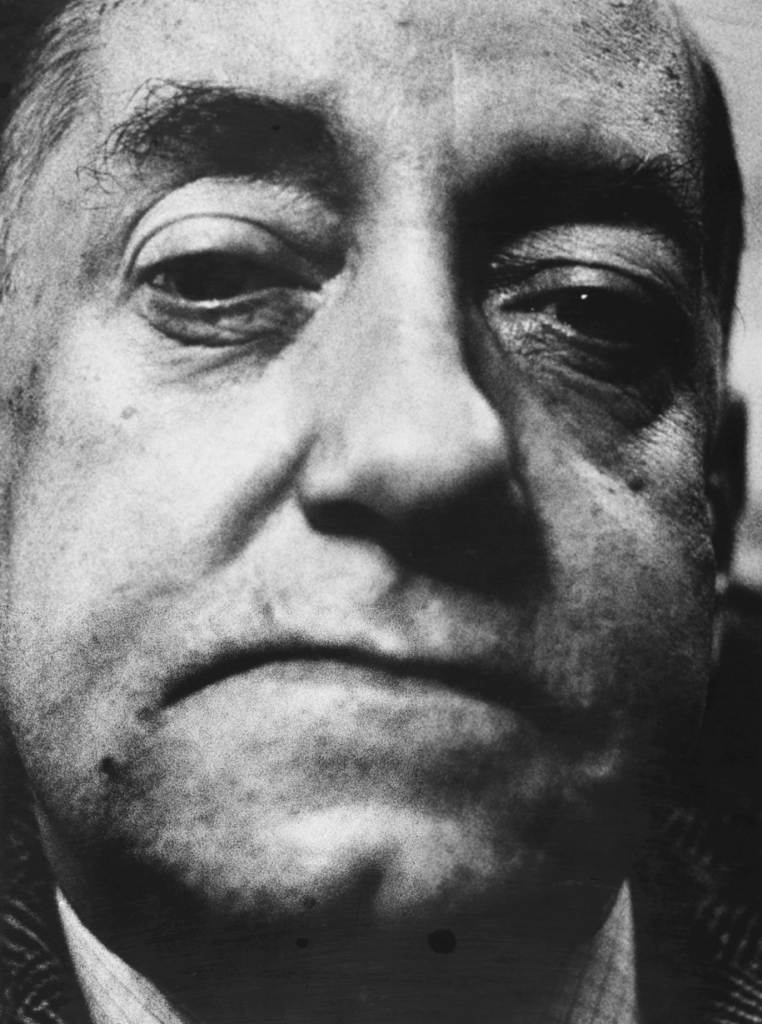
De la serie Retratos y Autorretratos
Alejo Carpentier
Año 1968
Copia de época
Fotografía
Gelatina de plata sobre papel fibra
Dimensiones 23 x 31 cm
From the series Retratos y Autorretratos
Alejo Carpentier
Year 1968
Vintage print
Photography
Gelatin silver print on fiber paper
Dimensions 9.06 x 12.20 in
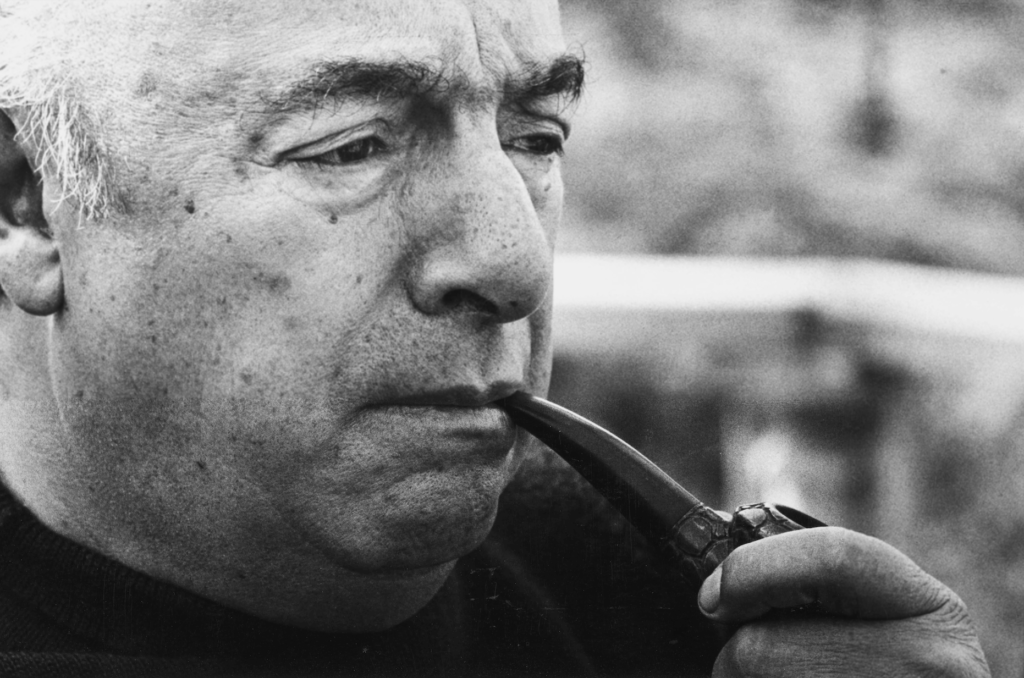
De la serie Retratos y Autorretratos
Pablo Neruda
Año 1969
Copia de época
Fotografía
Gelatina de plata sobre papel fibra
Dimensiones 22,5 x 30 cm
From the series Retratos y Autorretratos
Pablo Neruda
Year 1969
Vintage print
Photography
Gelatin silver print on fiber paper
Dimensions 8.86 x 11.81 in
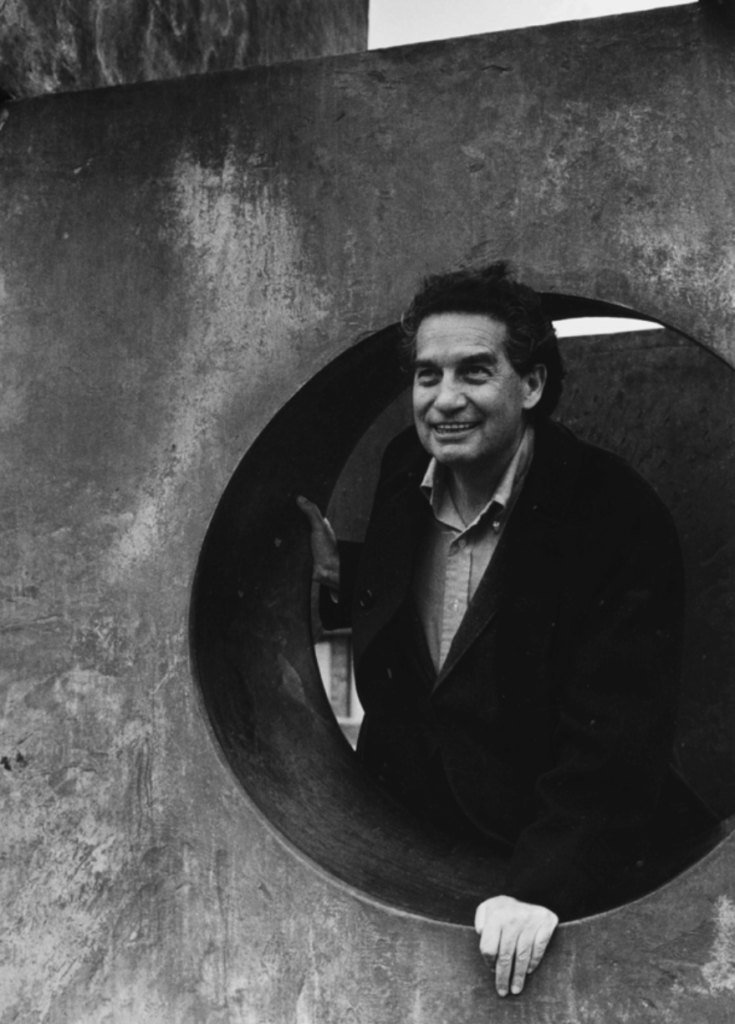
De la serie Retratos y Autorretratos
Octavio Paz
Año 1970
Copia de época
Fotografía
Gelatina de plata sobre papel fibra
Dimensiones 24 x 35 cm
From the series Retratos y Autorretratos
Octavio Paz
Year 1970
Vintage print
Photography
Gelatin silver print on fiber paper
Dimensions 9.45 x 13.78 in
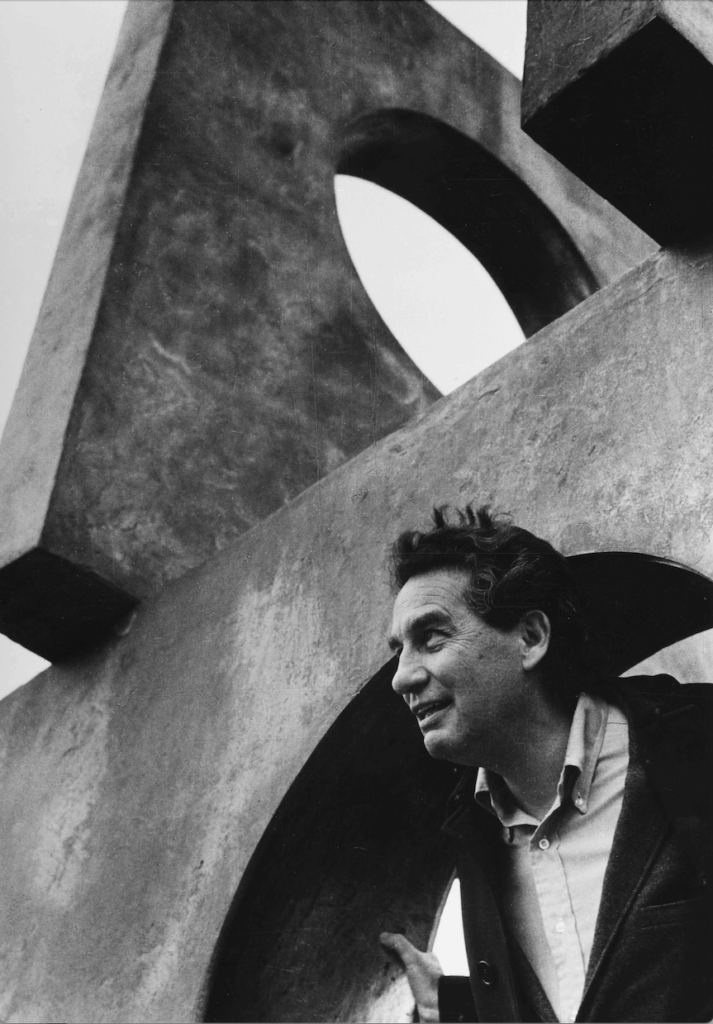
De la serie Retratos y Autorretratos
Octavio Paz
Año 1968
Copia de época
Fotografía
Gelatina de plata sobre papel fibra
Dimensiones 24 x 35 cm
From the series Retratos y Autorretratos
Octavio Paz
Year 1968
Vintage print
Photography
Gelatin silver print on fiber paper
Dimensions 9.45 x 13.78 in
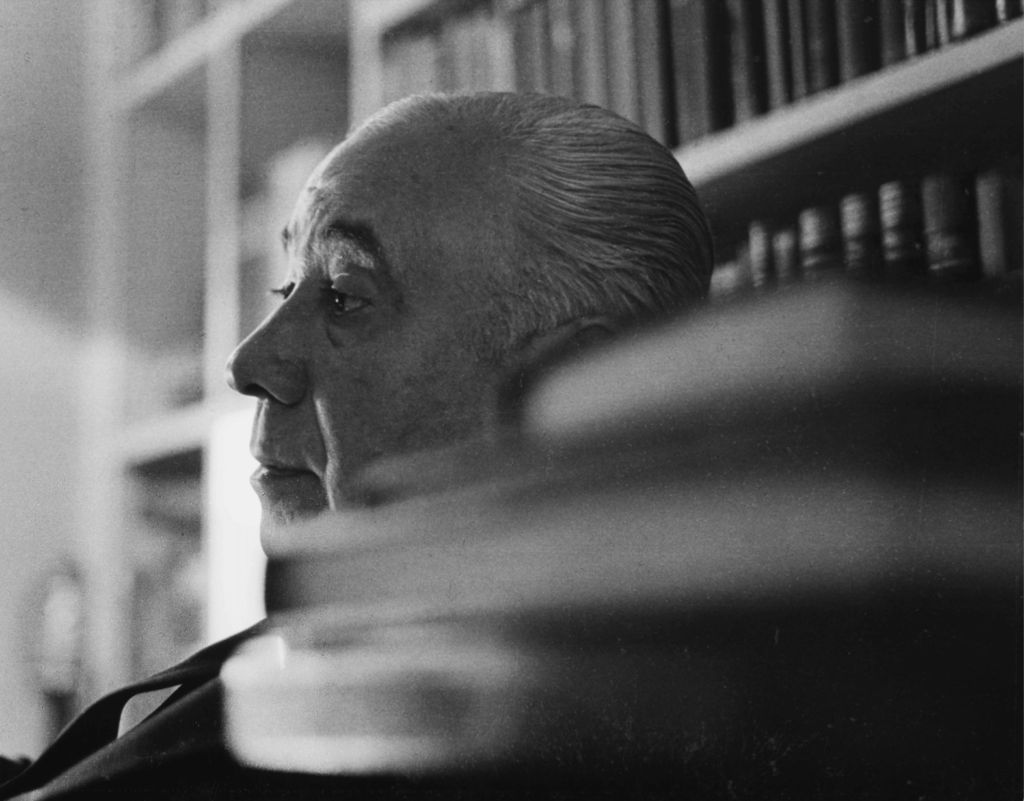
De la serie Retratos y Autorretratos
Eduardo Mallea
Año 1968
Copia de época
Fotografía
Gelatina de plata sobre papel fibra
Dimensiones 31 x 24,6 cm
From the series Retratos y Autorretratos
Eduardo Mallea
Year 1968
Vintage print
Photography
Gelatin silver print on fiber paper
Dimensions 12.20 x 9.69 in
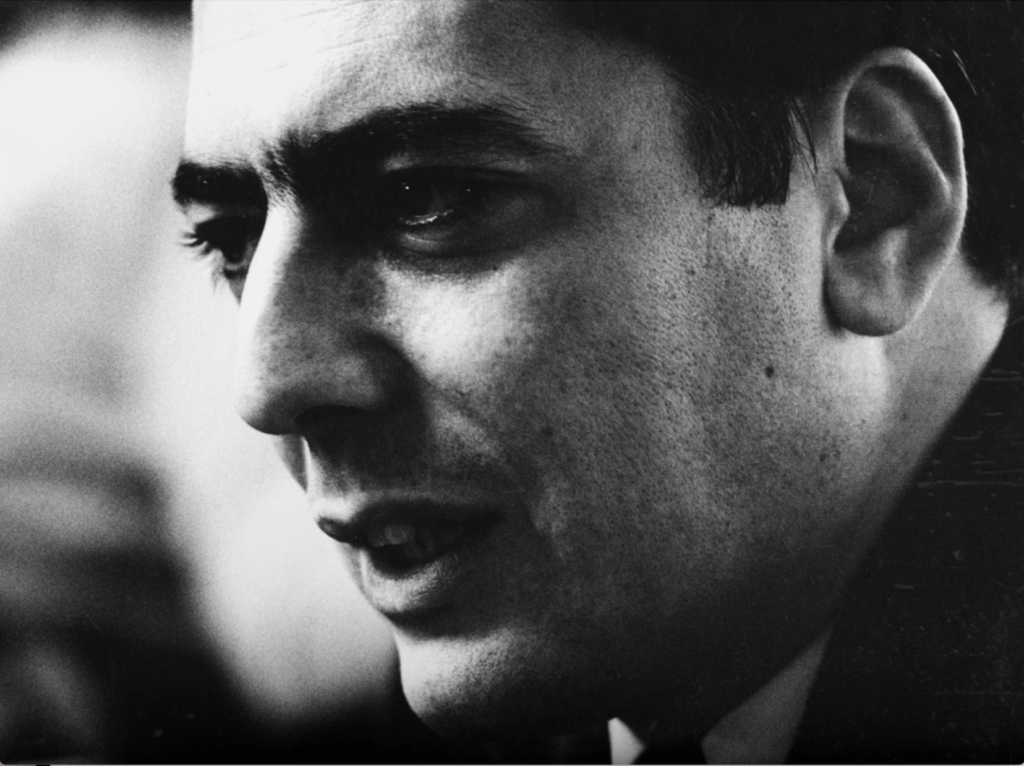
De la serie Retratos y Autorretratos
Mario Vargas Llosa
Año 1968
Copia de época
Fotografía
Gelatina de plata sobre papel fibra
Dimensiones 39,6 x 29,4 cm
From the series Retratos y Autorretratos
Mario Vargas Llosa
Year 1968
Vintage print
Photography
Gelatin silver print on fiber paper
Dimensions 15.59 × 11.57 in
Todo libro es un viaje que autor y público emprenden en tiempos no simultáneos.Alicia D’Amico y Sara Facio nos dieron la forma definitiva de tres itinerarios: recorrieron la fisonomía de nuestra ciudad en BUENOS AIRES BUENOS AIRES (1968), el perfil del poeta chileno junto a su entorno en GEOGRAFIA DE PABLO NERUDA (1973) y las expresiones —el espíritu— de veintiún escritores latinoamericanos en RETRATOS Y AUTORRETRATOS (1974).
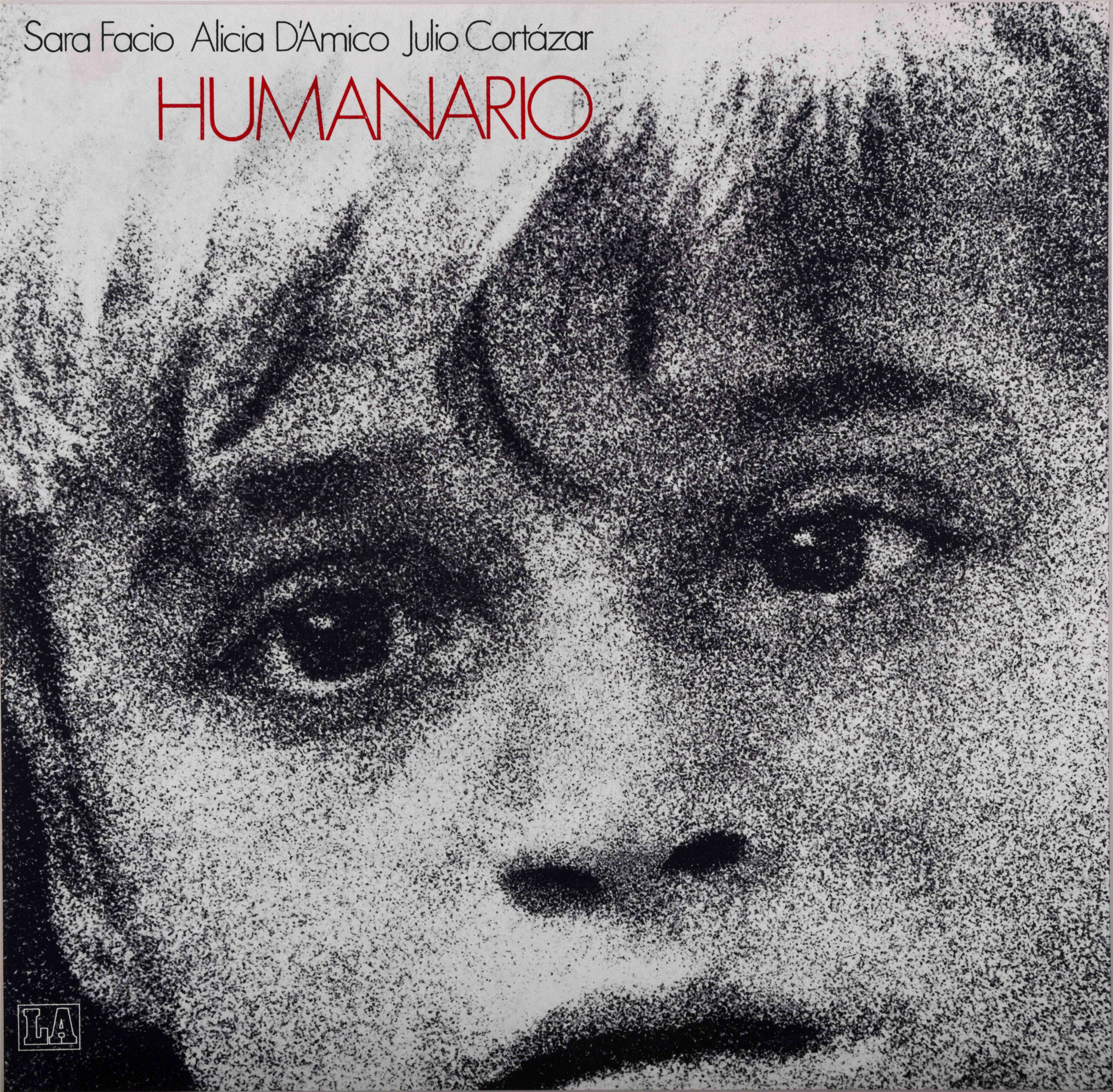
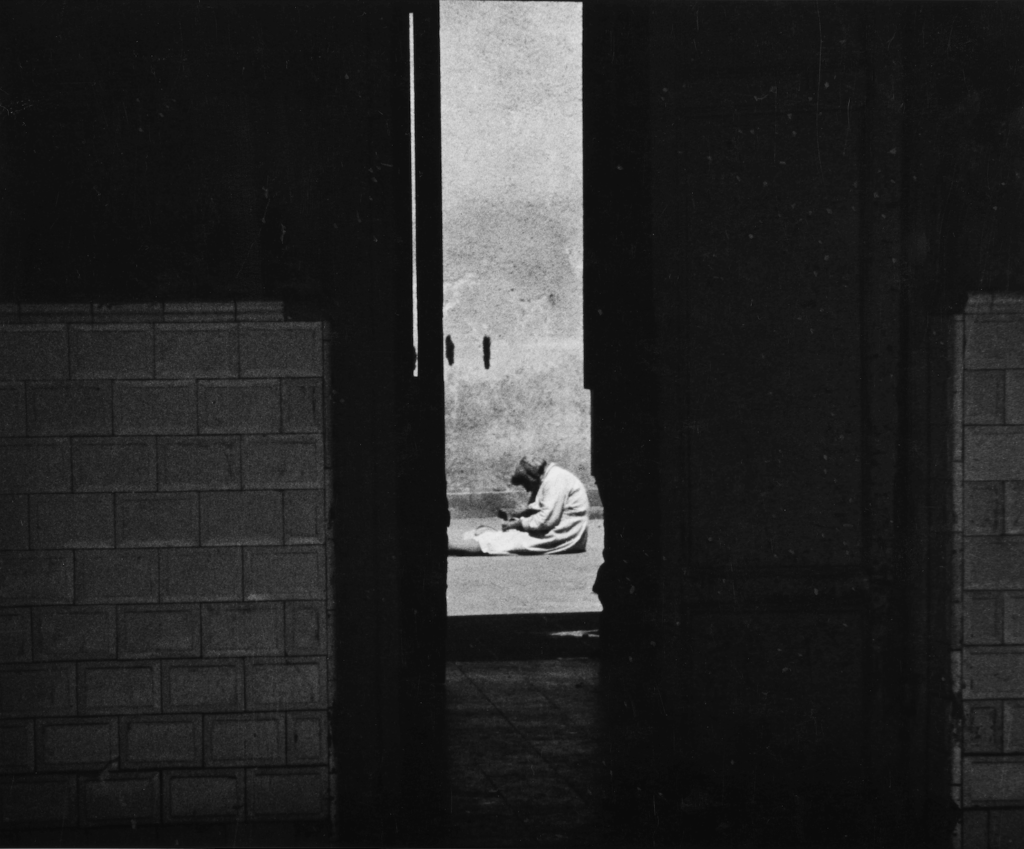
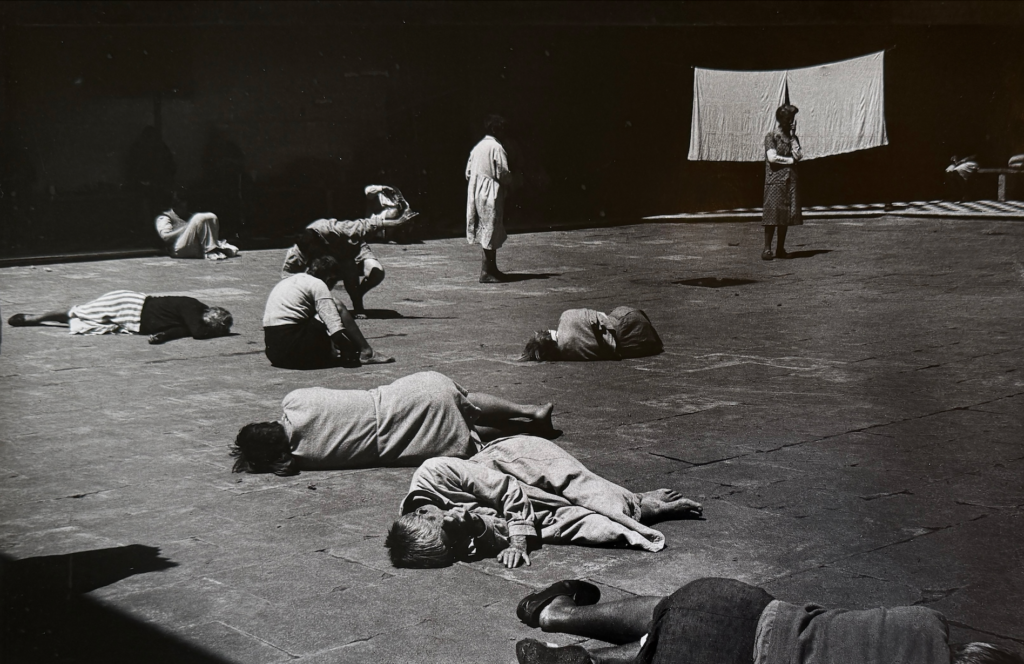
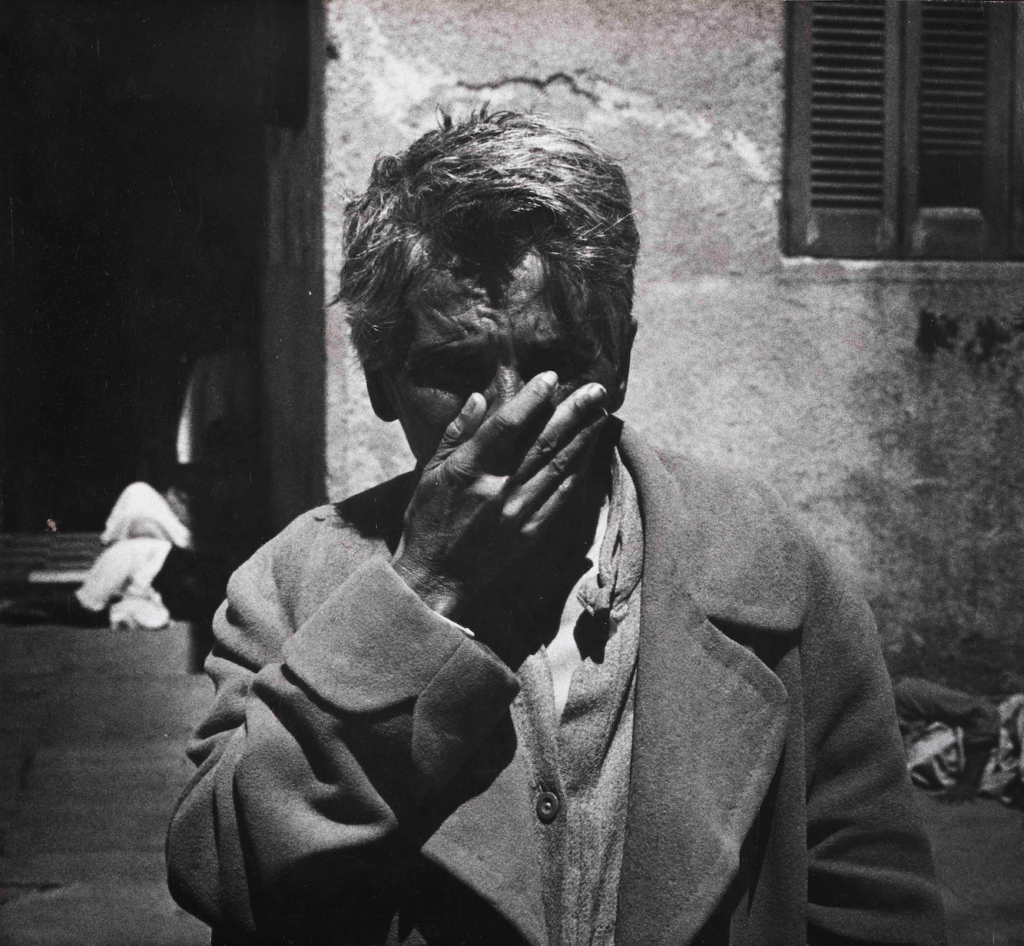
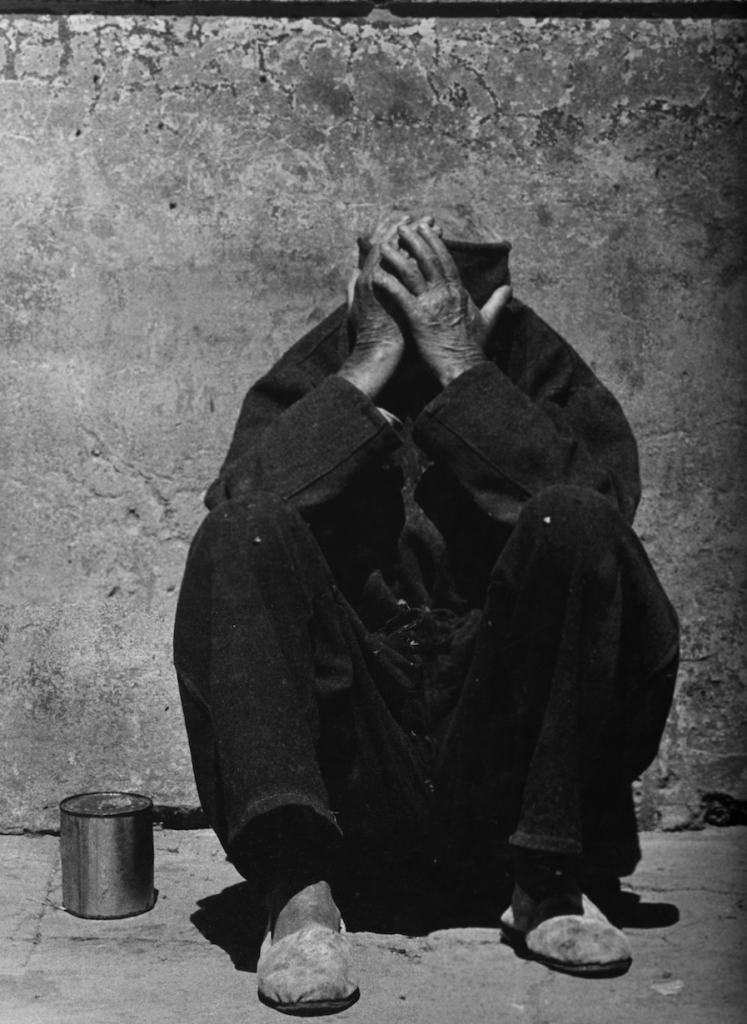
La cuarta jornada es de signo muy diverso, un itinerario que las condujo a los hondones del alma a través de quienes la sociedad aísla bajo el rótulo de enfermos mentales. Este último viaje se llama HUMANARIO. Las fotografías de HUMANARIO no nos permiten quedarnos como “mirones frente al acuario”, es pectadores que observan los gestos del alienado, sino que nos fuerzan a sumergirnos en las ondas intranquilizadoras del mundo de la locura. Y penetrar en él nos produce la infinita molestia de entrever que también dentro de nosotros yace ese universo. Afirma Julio Cortázar en Estrictamente no profesional, texto que acompaña estas imá-genes: “Muchos de los seres que pueblan infiernos como el que aquí se desnuda, podrían estar de nuestro lado si nuestro lado no mantuviera con tan persistente eficacia los diversos ghettos que protegen la ciudad del hombre normal” Este HUMANARIO, “el primero de nuestra historia plástica”, como asegura en la Introducción Fernando Pagés Larraya, propone un “puzzle fantástico”, que se resuelve finalmente en la síntesis aterradora de que la condición del hombre es igual de éste y. el otro lado del encierro, que cordura y locura son las caras no opuestas de una misma moneda, tonos diversos de una idéntica sinfonía mental. Ojo humano sensible, el inteligente ojo fotográfico de Sara Facio y Alicia D’Amico rasga las barreras ilusorias levantadas por la sociedad, y nos guía por ese territorio en que todos compartimos el mismo dolor, la misma esperanza.
María Laura Rosa
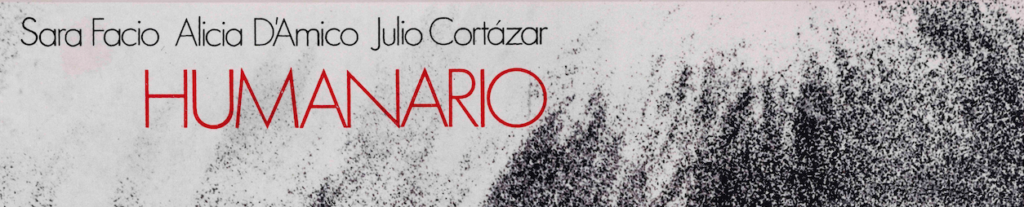
Libro
Fotografías Alicia D’Amico & Sara Facio
Texto Julio Cortazar & Fernando Pagés Larraya
Editorial La Azotea
Páginas 73
Encuadernación en cartoné, cubierta ilustrada y con títulos a dos tintas
Dimensiones 27,5 x 29 cm
Book
Photographs Alicia D’Amico & Sara Facio
Text Julio Cortazar & Fernando Pagés Larraya
Publishing house La Azotea
Pages 73
Hardcover binding, illustrated cover with two-tone titles.
Dimensions 10.83 x 11.42 in in
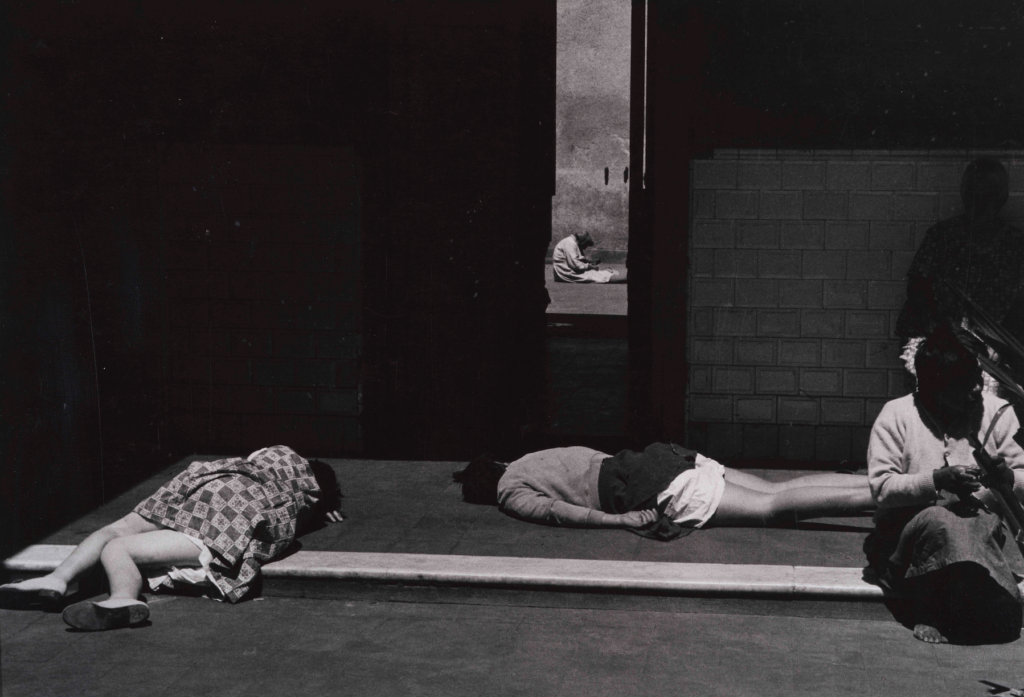
De la serie Humanario
Sin Título
Año 1966
Copia de época
Fotografía
Gelatina de plata sobre papel fibra
Dimensiones 34,3×23,3 cm
From the series Humanario
Untitled
Year 1966
Vintage print
Photography
Gelatin silver print on fiber paper
Dimensions 13.50 × 9.17 in in
De la serie Humanario
Sin Título
Año 1966
Copia de época
Fotografía
Gelatina de plata sobre papel fibra
Dimensiones 30,3 x 25 cm
From the series Humanario
Untitled
Year 1966
Vintage print
Photography
Gelatin silver print on fiber paper
Dimensions 11.93 x 9.84 in
De la serie Humanario
Sin Título
Año 1966
Copia de época
Fotografía
Gelatina de plata sobre papel fibra
Dimensiones 30 x 40 cm
From the series Humanario
Untitled
Year 1966
Vintage print
Photography
Gelatin silver print on fiber paper
Dimensions 11.81 x 15.75 in
De la serie Humanario
Sin Título
Año 1966
Copia de época
Fotografía
Gelatina de plata sobre papel fibra
Dimensiones 27 x 24,3 cm
From the series Humanario
Untitled
Year 1966
Vintage print
Photography
Gelatin silver print on fiber paper
Dimensions 10.63 x 9.57 in
De la serie Humanario
Sin Título
Año 1966
Copia de época
Fotografía
Gelatina de plata sobre papel fibra
Dimensiones 29 x 39 cm
From the series Humanario
Untitled
Year 1966
Vintage print
Photography
Gelatin silver print on fiber paper
Dimensions 11.42 x 15.35 in
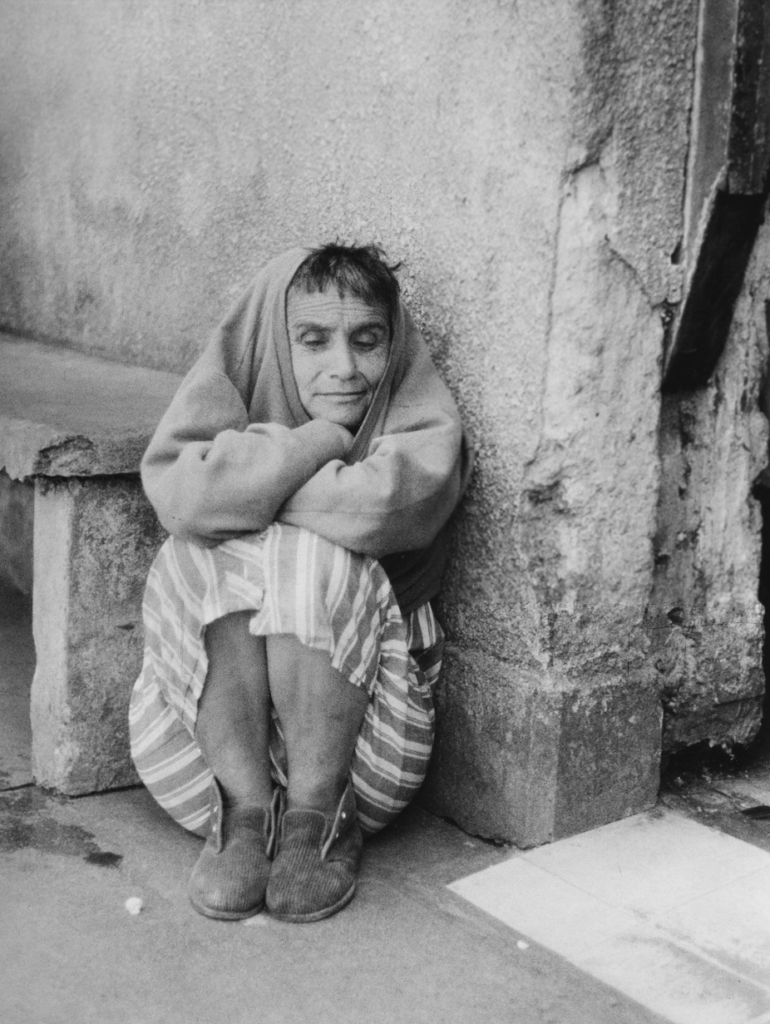
De la serie Humanario
Sin Título
Año 1966
Copia de época
Fotografía
Gelatina de plata sobre papel fibra
Dimensiones 26,5 x 34,4 cm
From the series Humanario
Untitled
Year 1966
Vintage print
Photography
Gelatin silver print on fiber paper
Dimensions 10.43 x 13.54 in
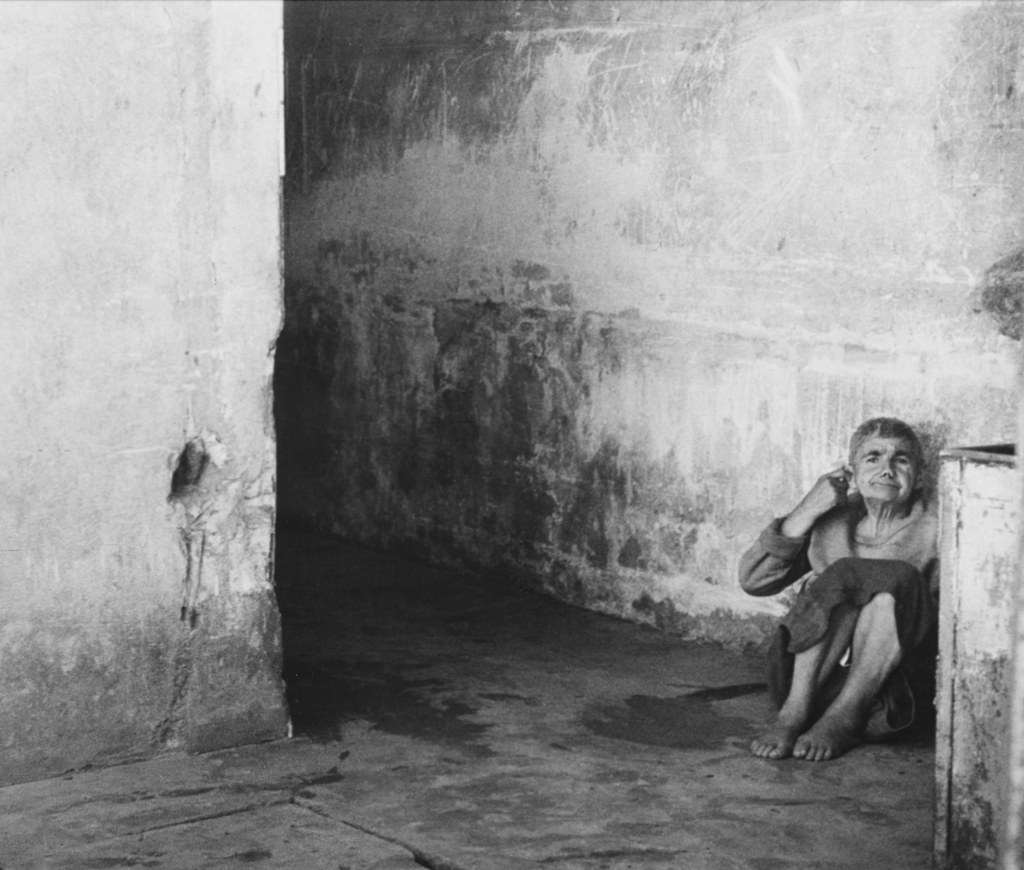
De la serie Humanario
Sin Título
Año 1966
Copia de época
Fotografía
Gelatina de plata sobre papel fibra
Dimensiones 35 x 30 cm
From the series Humanario
Untitled
Year 1966
Vintage print
Photography
Gelatin silver print on fiber paper
Dimensions 13.78 x 11.81 in
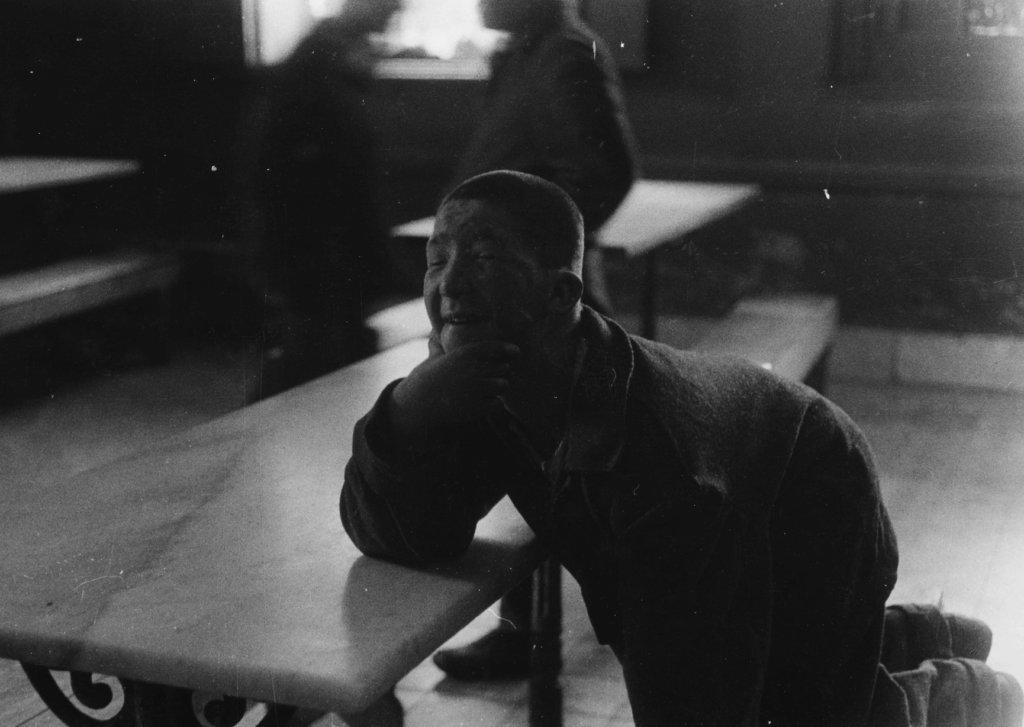
De la serie Humanario
Sin Título
Año 1966
Copia de época
Fotografía
Gelatina de plata sobre papel fibra
Dimensiones 24,3 x 34 cm
From the series Humanario
Untitled
Year 1966
Vintage print
Photography
Gelatin silver print on fiber paper
Dimensions 9.57 x 13.39 in
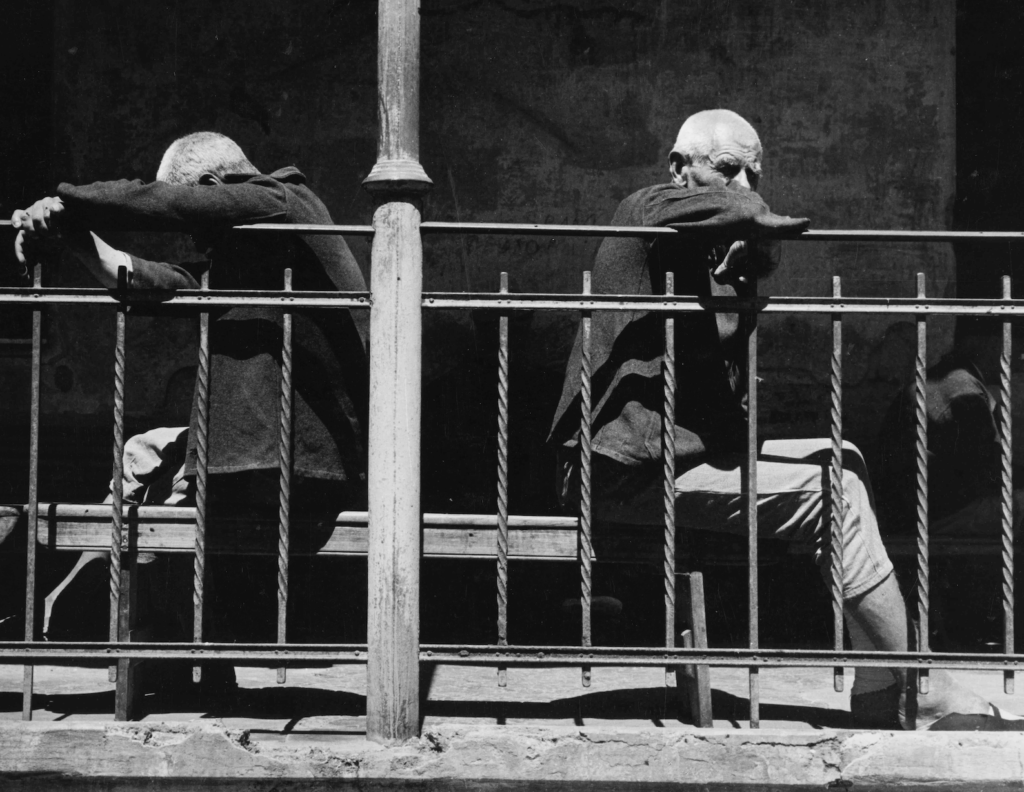
De la serie Humanario
La Baranda
Año 1966
Copia de época
Fotografía
Gelatina de plata sobre papel fibra
Dimensiones 23,1 x 17,8 cm
From the series Humanario
Untitled
La Baranda
Year 1966
Vintage print
Photography
Gelatin silver print on fiber paper
Dimensions 9.09 x 7.01 in
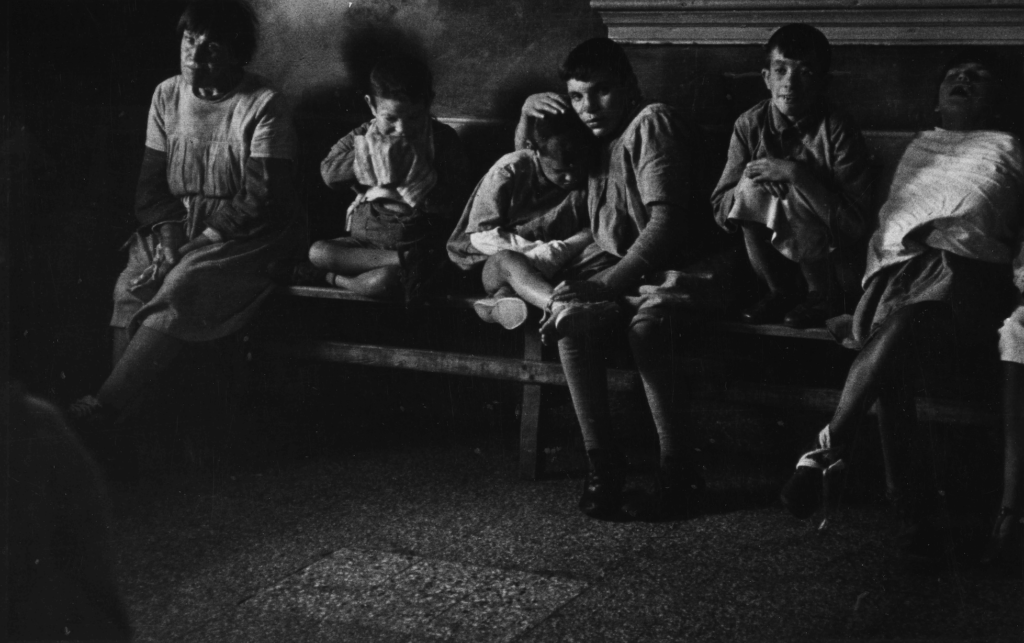
De la serie Humanario
Sin Título
Año 1966
Copia de época
Fotografía
Gelatina de plata sobre papel fibra
Dimensiones 30 x 19 cm
From the series Humanario
Untitled
Year 1966
Vintage print
Photography
Gelatin silver print on fiber paper
Dimensions 11.81 x 7.48 in
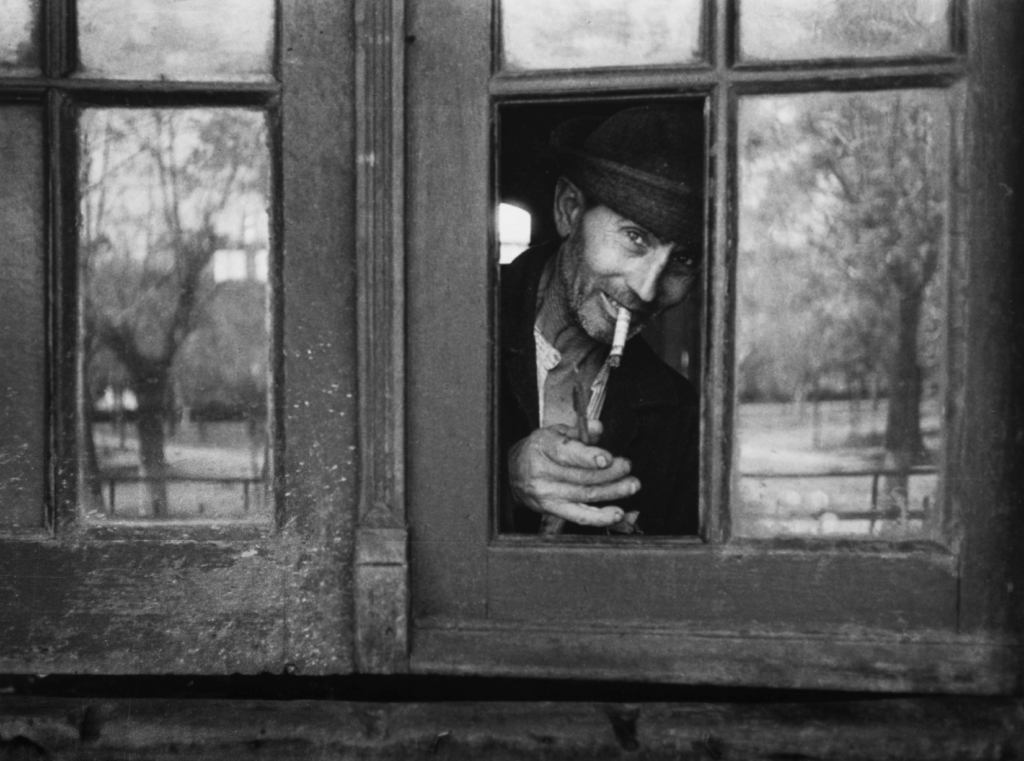
De la serie Humanario
Sin Título
Año 1966
Copia de época
Fotografía
Gelatina de plata sobre papel fibra
Dimensiones 34,5 x 26 cm
From the series Humanario
Untitled
Year 1966
Vintage print
Photography
Gelatin silver print on fiber paper
Dimensions 13.58 x 10.24 in
El sensible año de 1968 -protagonista de movimientos estudiantiles, revoluciones políticas y sociales en gran parte de Occidente- fue el momento de publicación del primer fotolibro que realizó DAFA, Buenos Aires Buenos Aires, dedicado a los contrastes de esta ciudad, tanto en lo que respecta a su población como a su arquitectura. Cada vez que debían cumplir con encargos fotográficos que las llevaba a recorrer la ciudad, DAFA salía con sus cámaras a capturar momentos únicos para este proyecto, el cual se fue gestando entre 1964 y 1967. La Editorial Sudamericana lo publicó con prólogo de Julio Cortázar. Según Sara Facio, la inclusión del escritor argentino asentado en París no fue propuesta por ellas, sino por la editorial, ya que al no ser frecuentes los libros de fotografía se buscaba a un escritor de renombre para hacer atractiva su venta. Este hecho fue el inicio de un intercambio amistoso con el escritor a lo largo de los años, a quien retrataron tiempo después para el fotolibro Retratos y Autorretratos y quien también participa del fotolibro Humanario. Buenos Aires Buenos Aires se detiene en la poética absurda que inunda a la ciudad, la que motiva a Tomás Eloy Martínez a hablar de su magia, del juego entre lo comprensible y lo irracional que conviven de forma natural. Así indica: “A través de estas fotografías, Buenos Aires se revela como la ciudad de la exageración, del todo o nada: o propone un desierto absoluto en las veredas y en los muelles, o narra la fermentación de la muchedumbre, los movimientos del rebaño. (…) una ciudad en donde todos los hombres llevan corbata (…) tiene que ser o una feria de locos o un campo de adiestramiento para criaturas voladoras.” (Martínez, 1968: 25)
María Laura Rosa, Dra. en Arte Contemporáneo.
Archivo Alicia D’Amico
Buenos Aires, Paris Photo 2025
Retratos y Autorretratos consistió en un ensayo fotográfico que reunió a renombrados escritores de Latinoamérica y llevó el prólogo de Julio Cortázar. Fue publicado por la editorial Crítica en 1974. Esta experiencia editorial estuvo conformada por retratos que buceaban en el interior de cada personaje -todas figuras masculinas, a excepción de Silvina Ocampo quien salió cubriendo su rostro-, tomados con la mayor espontaneidad posible. D’Amico destacó el desafío que este proyecto implicó dado que buscaban indagar en la subjetividad de los escritores y trascender la idea que la gente tenía formada sobre ellos. Es importante destacar que todos –a excepción de Silvina Ocampo– formaban parte del Boom Latinoamericano, un fenómeno cultural y editorial que se extendió entre 1960 y 1970, momento en que se reconoció internacionalmente las obras de jóvenes autores de la región, quienes publicaron títulos que se convirtieron en un éxito de ventas y fueron traducidos a múltiples idiomas. Las imágenes fueron acompañadas por la voz de los protagonistas, fórmula que, sin ser pionera –ya que la fotógrafa Felka la empleó para exponer sus retratos en la Galería Heroica de la Ciudad de Buenos Aires en 1958–, resulta interesante de desarrollar dado que les permitió salir del lugar común del retratado silencioso al integrar su voz a través de sus palabras. Las cámaras empleadas son dos: Leica M3- Leitz Wetzlar y M4-Leitz Wetzlar, 35 mm, con luz natural en exteriores y de ambiente en interiores. Es importante destacar que, en 1992 D’Amico y Facio fueron invitadas por el Centro Georges Pompidou de París a exhibir Retratos y Autorretratos bajo el nombre Figures et caracteres. La exposición se extendió hasta febrero de 1993 y luego itineró por bibliotecas nacionales de Francia durante dos años.
María Laura Rosa, Dra. en Arte Contemporáneo.
Archivo Alicia D’Amico
Buenos Aires, Paris Photo 2025
Ante la necesidad de difundir la fotografía argentina y latinoamericana en el ámbito internacional y poder establecer lazos entre las/os fotógrafas/os del continente, en 1973 D’Amico, Facio y la fotógrafa María Cristina Orive fundaron La Azotea. Una de las publicaciones más renombradas de esta editorial fue el fotolibro Humanario (1976), descarnado estudio fotográfico de la fragilidad humana. El proyecto se originó a través del encargo que DAFA recibió del doctor Fernando Pagés Larraya, jefe del departamento de Educación e Investigación del Instituto Nacional de Salud Mental, quien les solicitó un reporte fotográfico sobre las condiciones edilicias en las que se encontraban los centros de salud mental ante la intervención de éstos por el coronel Julio Ricardo Estévez, en el contexto de la dictadura del General Juan Carlos Onganía. DAFA visitó cinco instituciones, Moyano y Borda en Capital Federal, tres más en la provincia de Buenos Aires, de las cuales una de ellas se dedicaba a infancias y jóvenes. Las fotógrafas entregaron a Pagés Larraya las imágenes que documentaban la falta de recursos en el que vivían las/os enfermos, pero seleccionaron para ellas el material centrado en las personas. Dicha recopilación fue publicada por La Azotea diez años más tarde del encargo inicial, con prólogo del mismo Pagés Larraya y texto de Julio Cortázar. Humanario -al igual que los ya mencionados fotolibros- reflejan un concepto unitario, de proyecto cerrado, cuidado, pensado. Como señaló D’Amico: “(…) un libro de fotografías no consiste sólo en escoger buenas fotos, sino que requiere una concepción estética previa muy precisa, perfectamente determinada. No se trata de tener sólo buenas fotos; éstas deben ser concebidas y entendidas como partes de un todo; cada una cumple una función en una organización que expresa una idea: una cosmovisión.” (Facio 1982, 11) En definitiva, refleja la cosmovisión del fotógrafo/a. Humanario es un fotolibro pionero en la reflexión sobre la deshumanización y la vulnerabilidad humanas, siendo antecedente de libros como El infarto del alma de Diamela Eltit y Paz Errázuriz (1994), entre otros.
María Laura Rosa, Dra. en Arte Contemporáneo.
Archivo Alicia D’Amico
Buenos Aires, Paris Photo 2025
Editorial Sudamericana
224 páginas
1968
Editorial Crisis
192 páginas
1973
Editorial La Azotea
74 páginas
1976