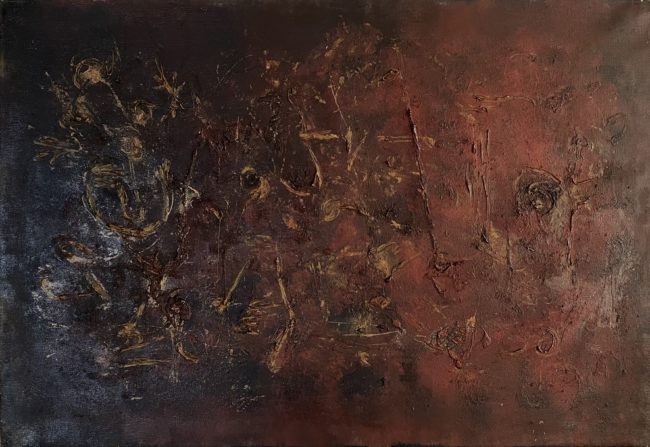
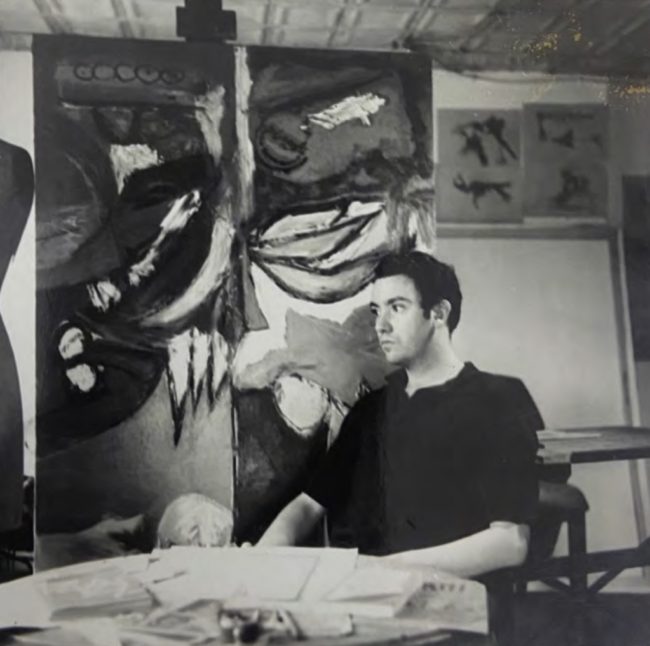
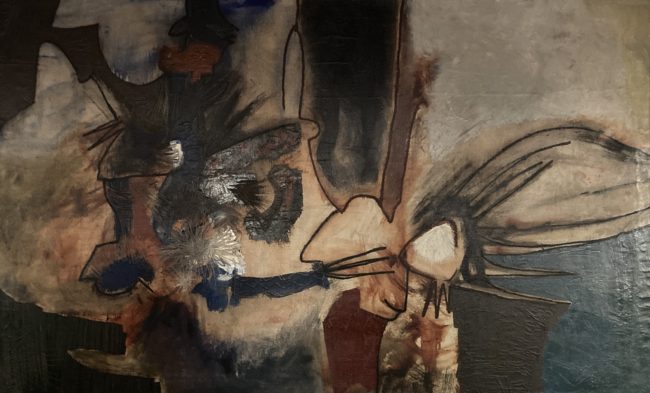
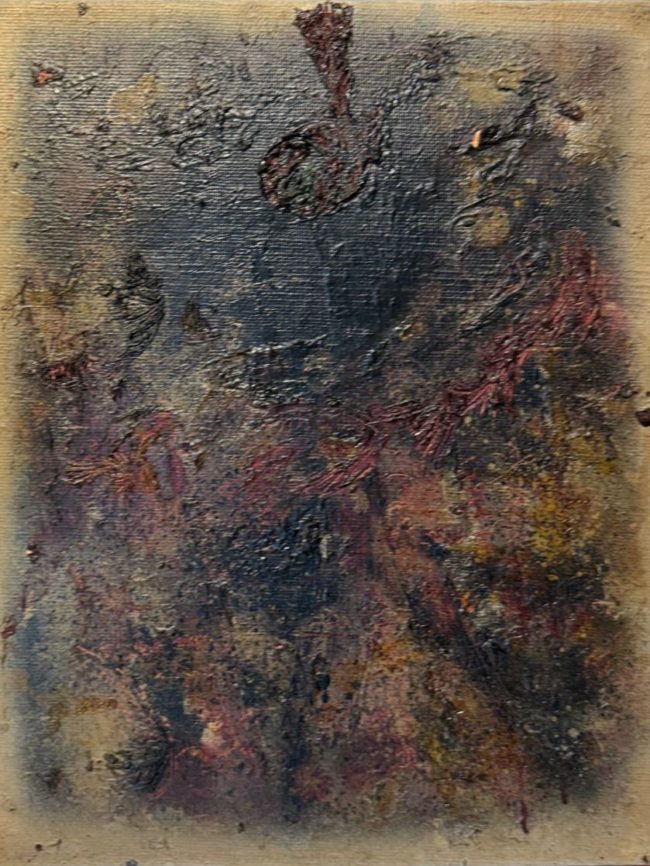
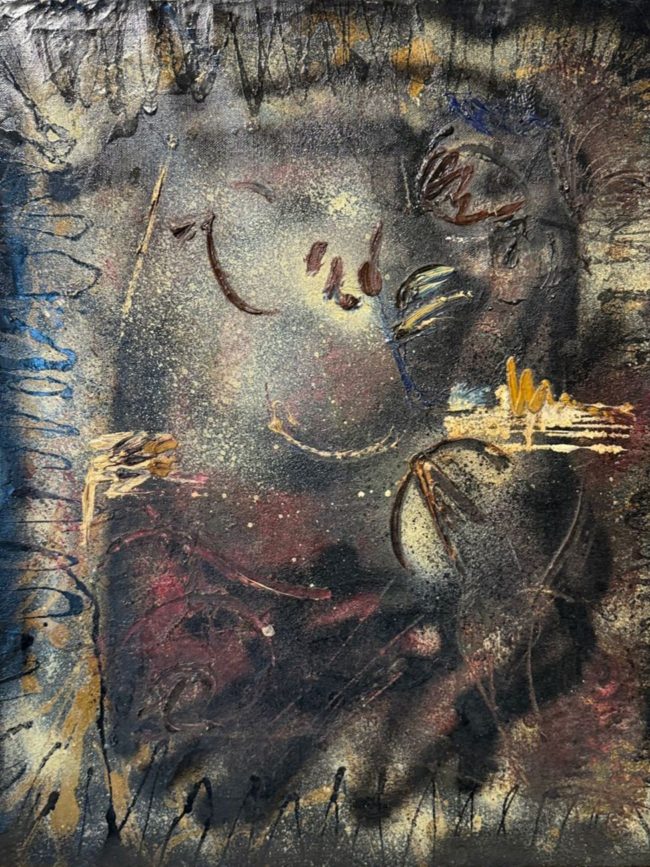
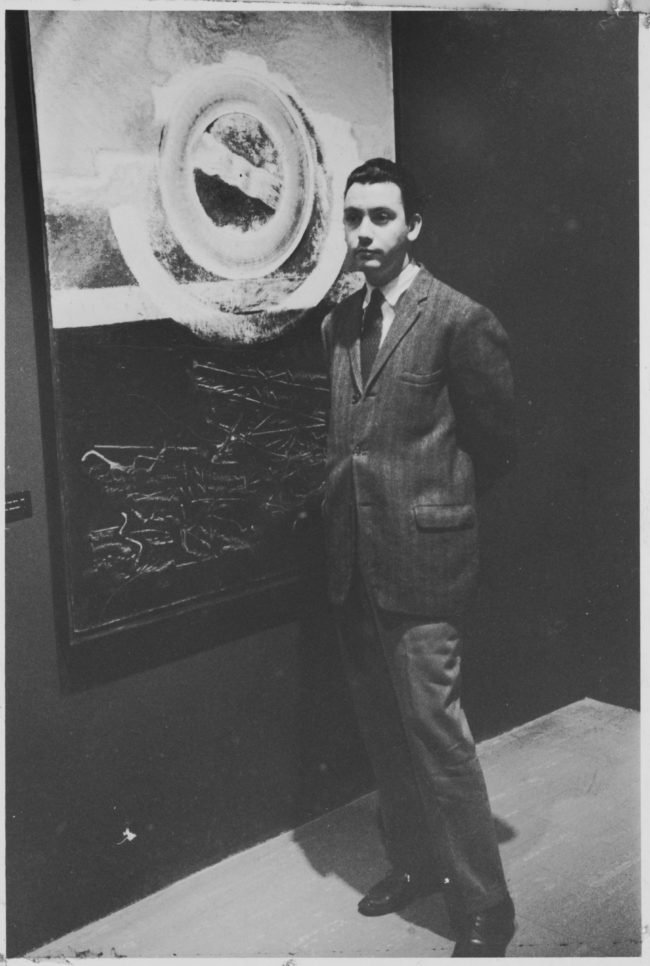
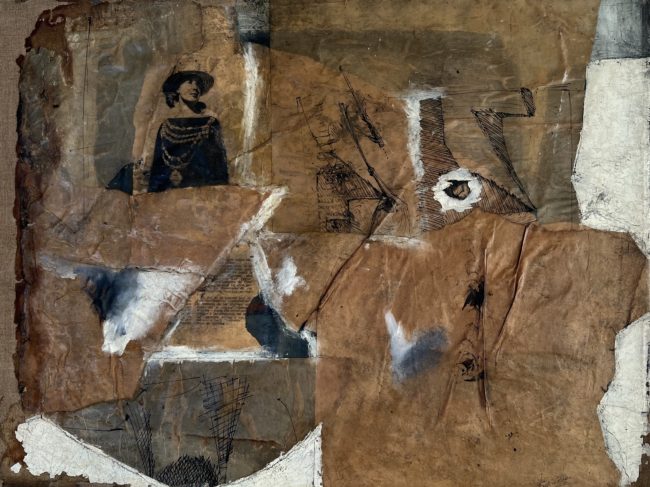
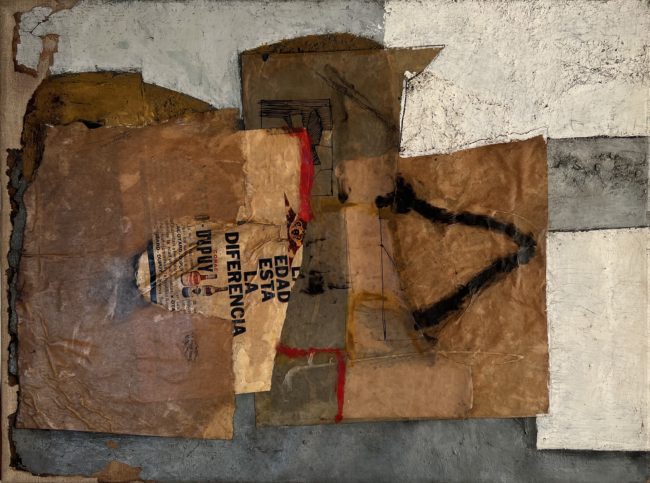
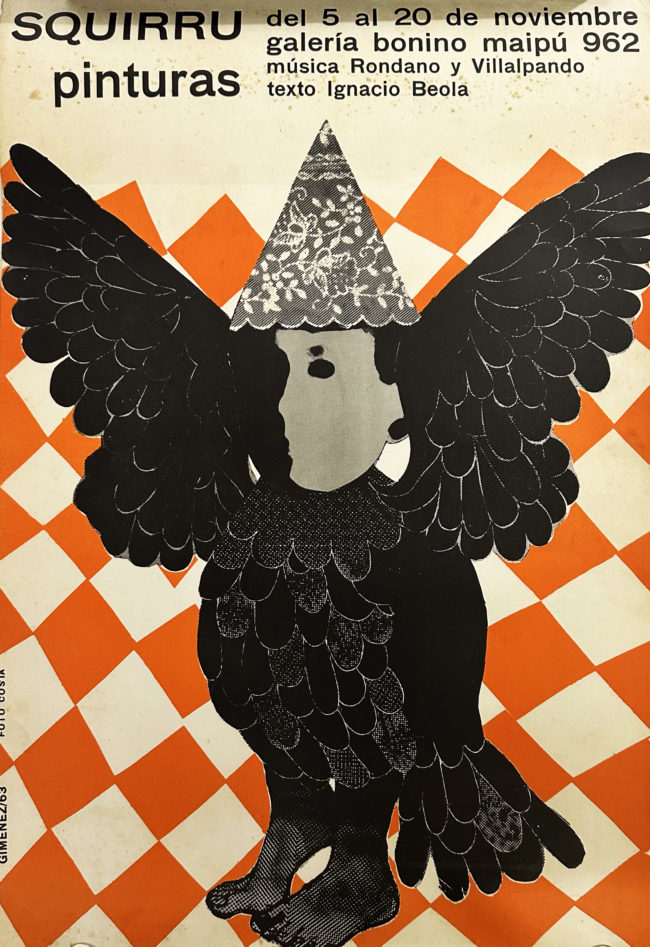
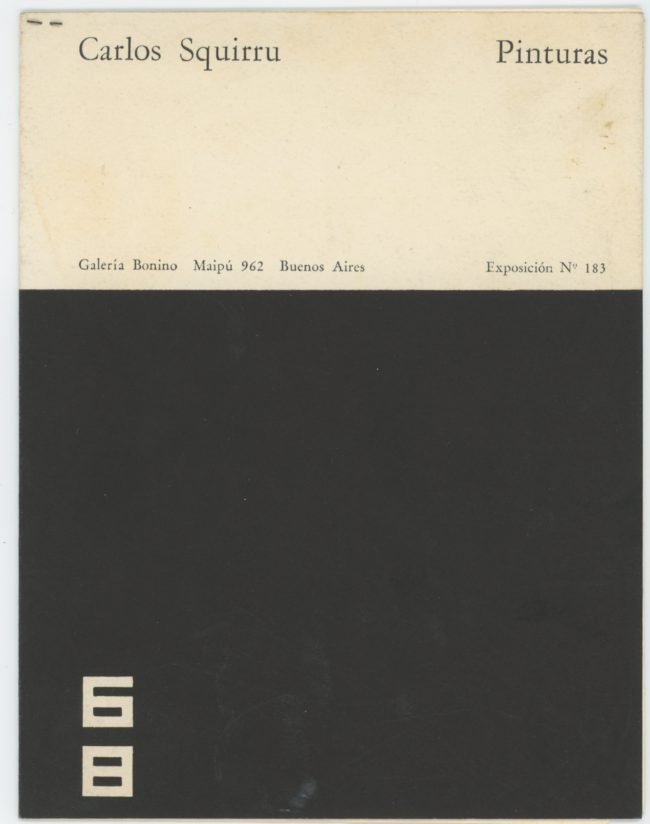
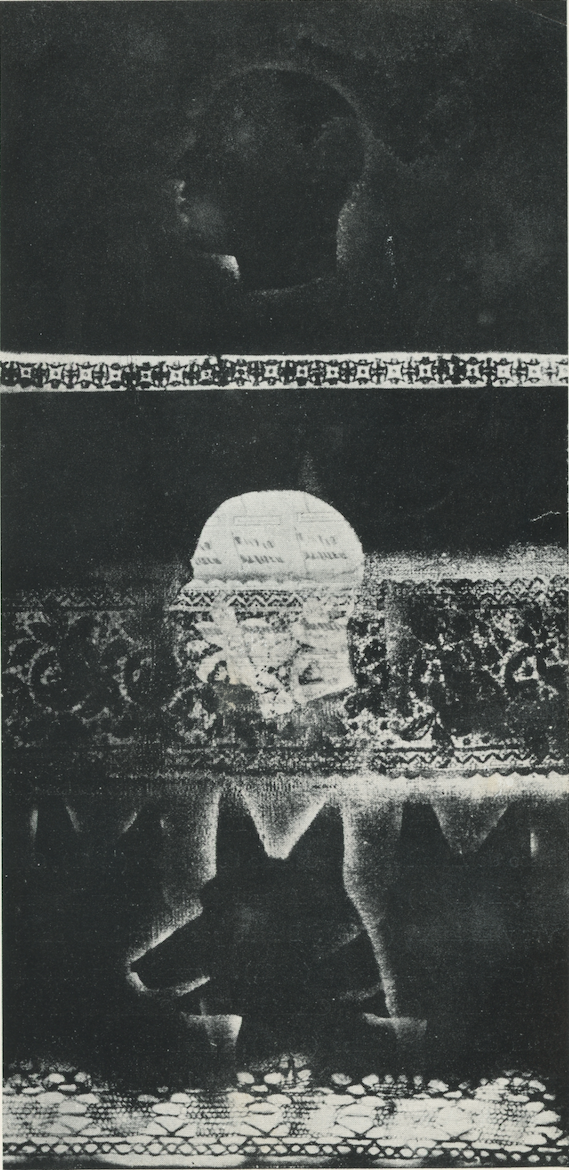
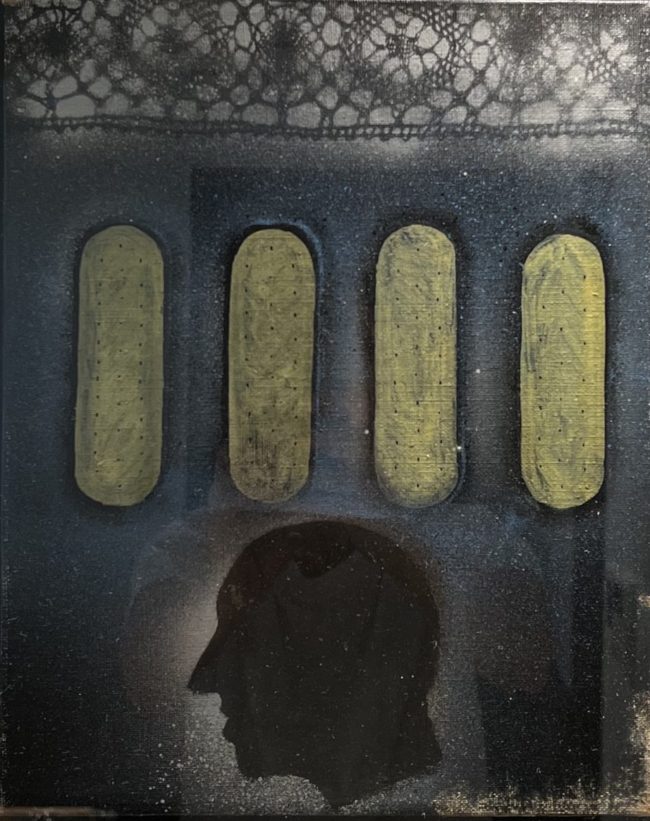
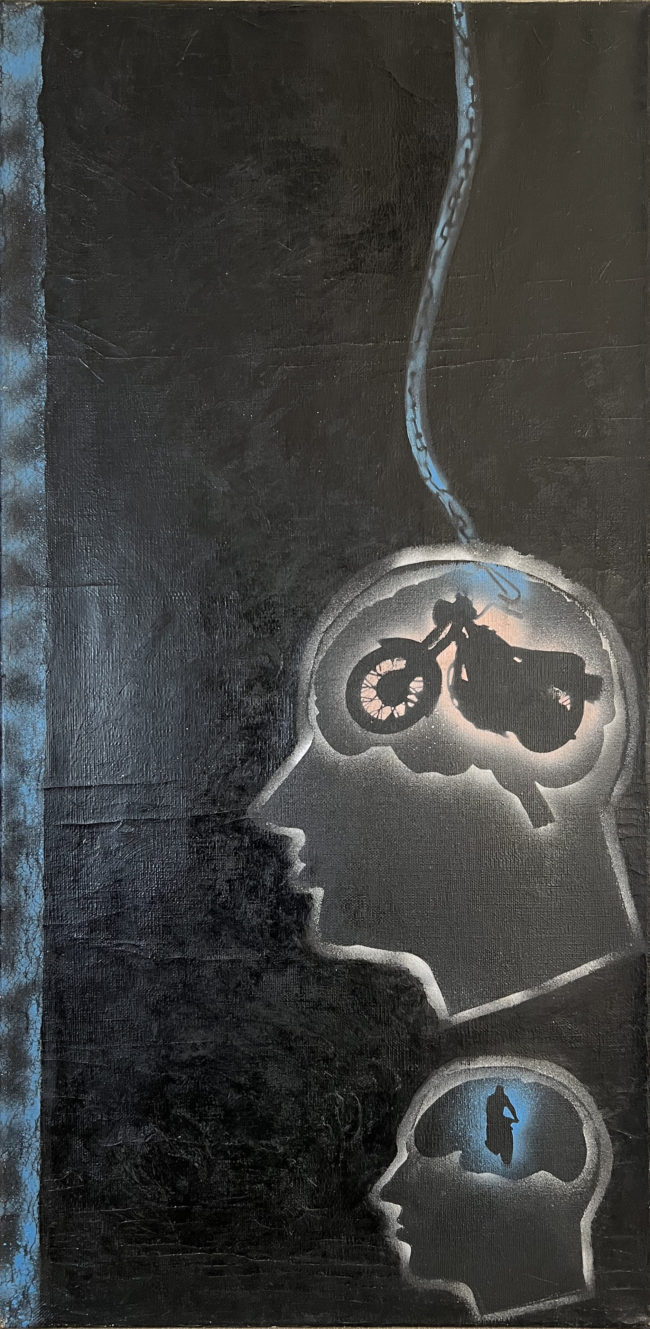
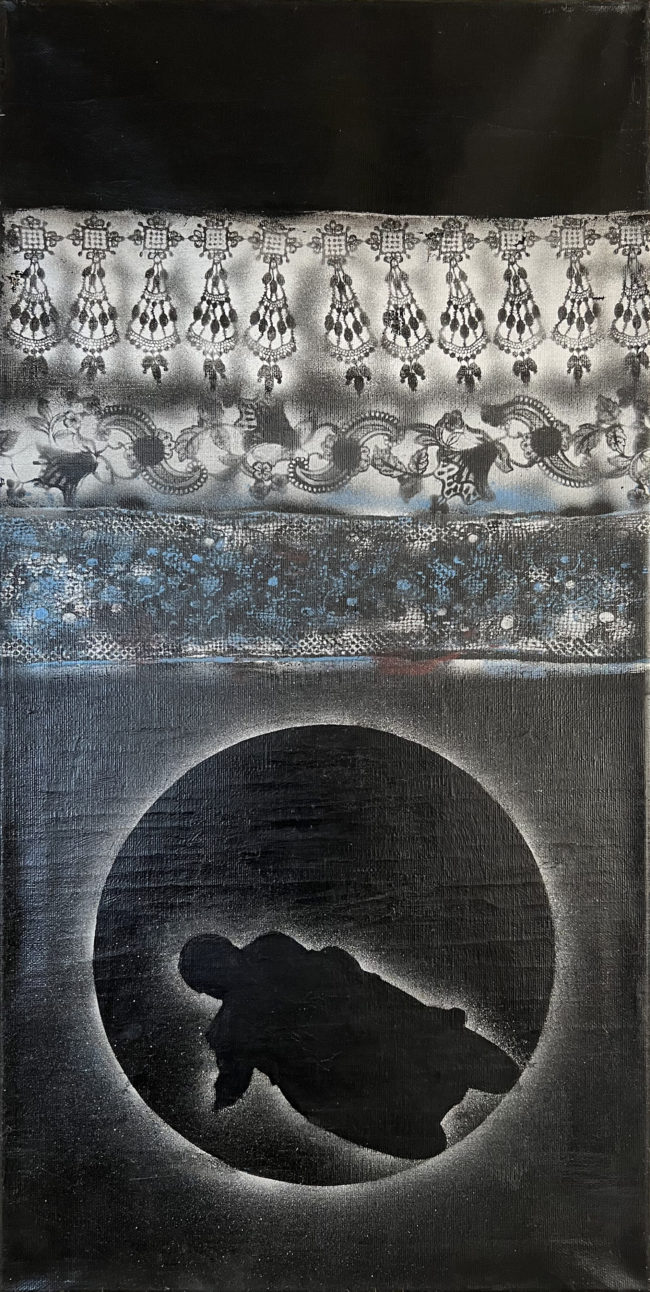
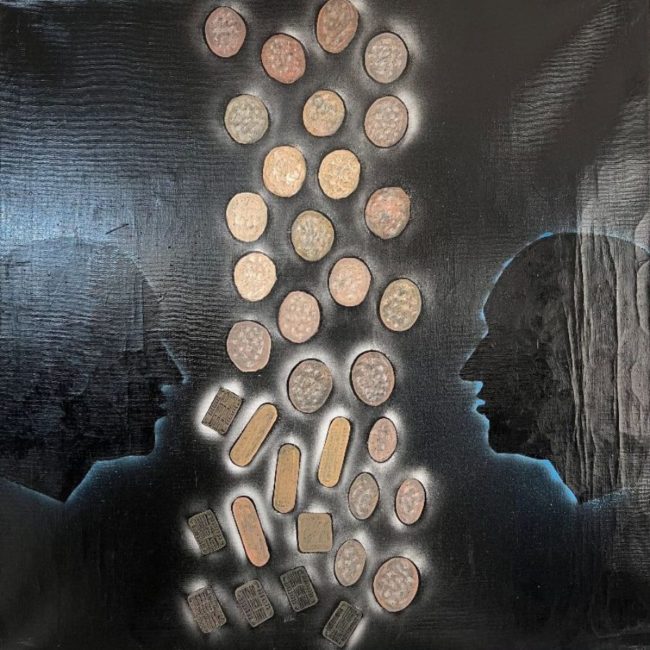
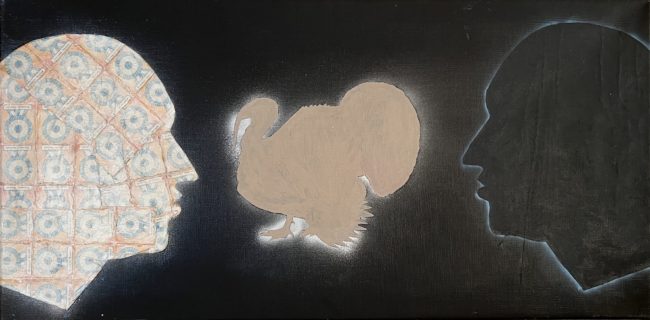
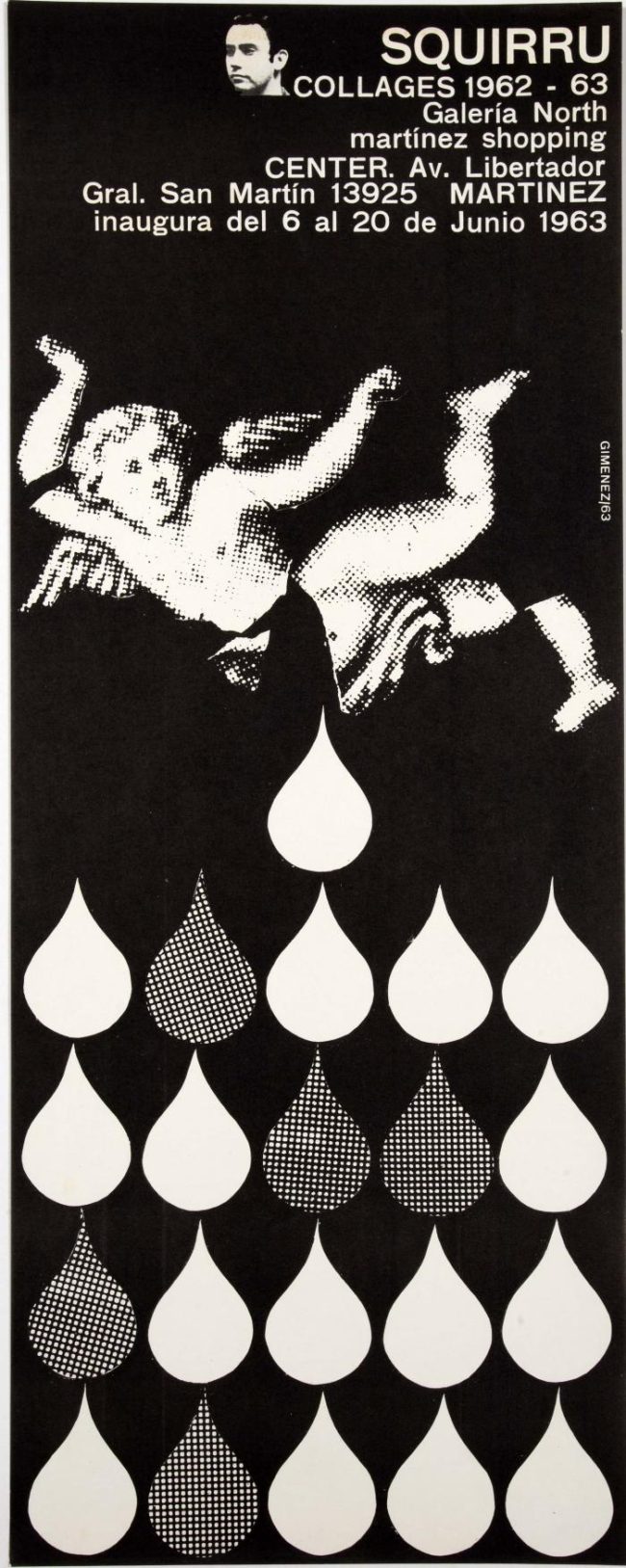
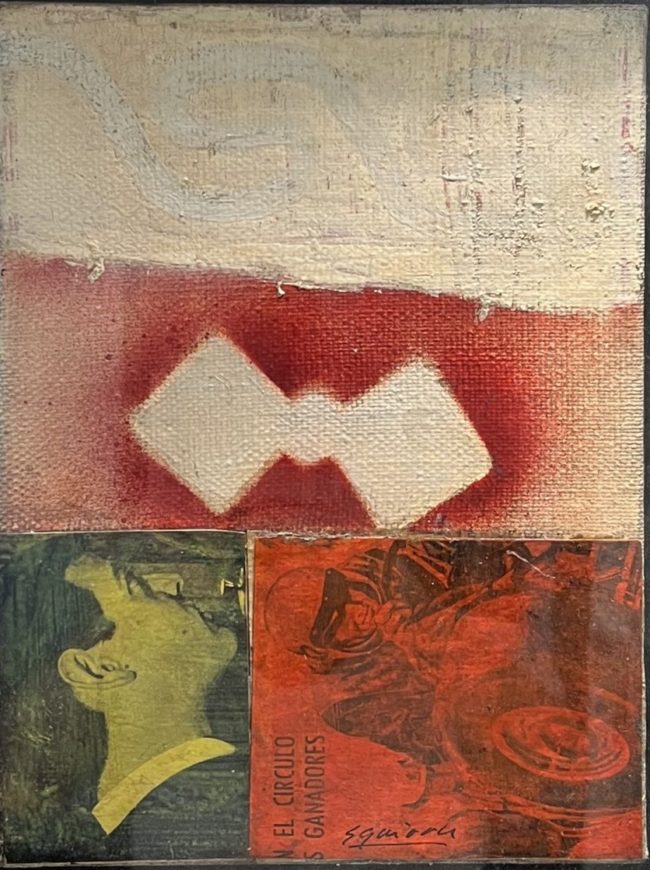
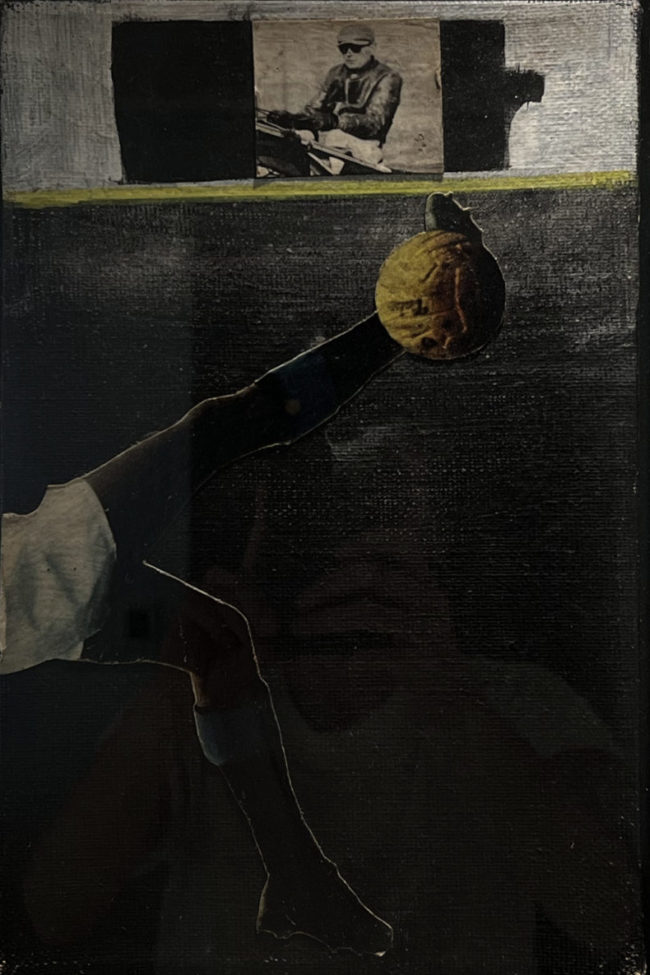
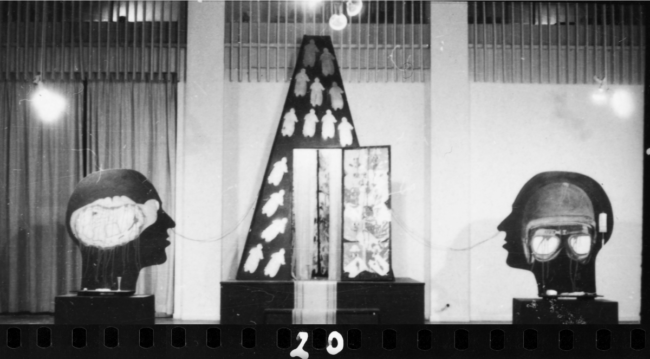
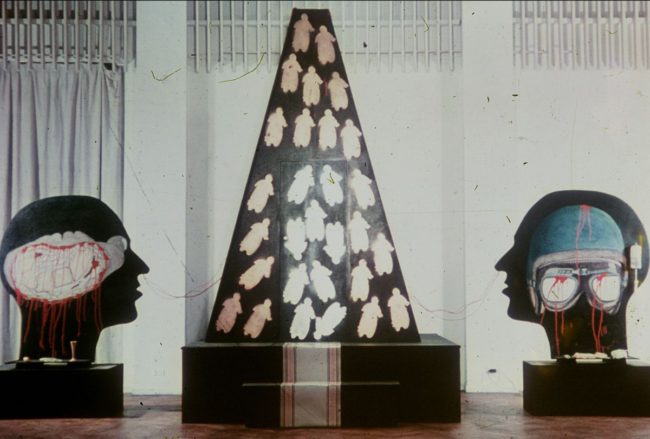
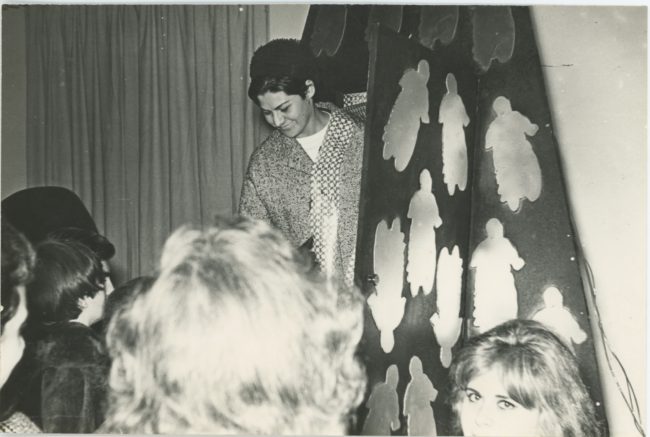
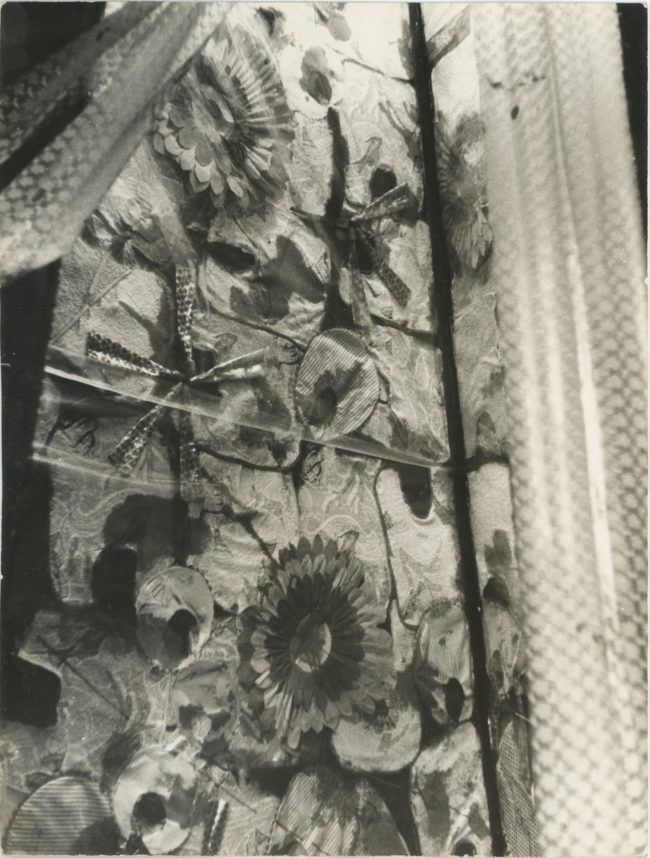
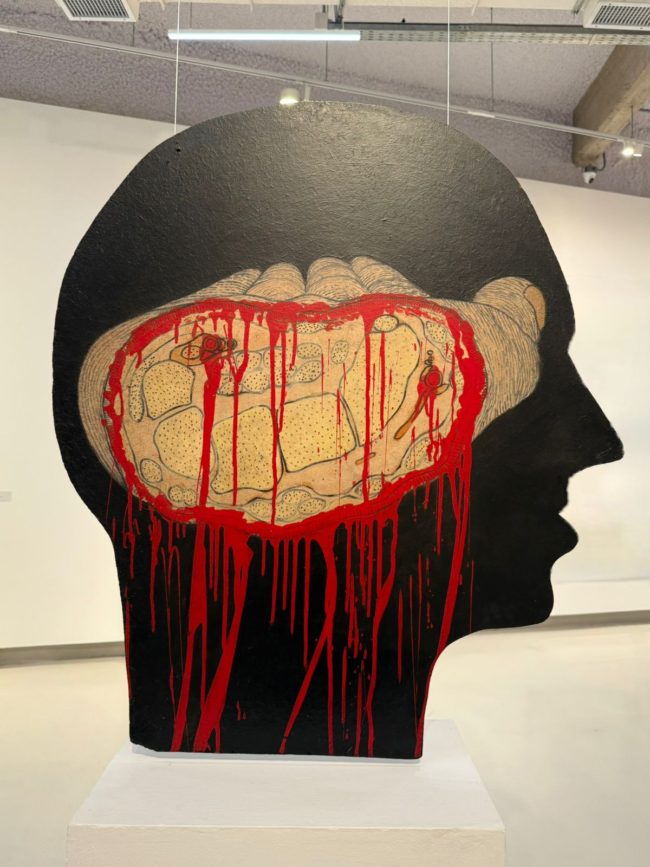
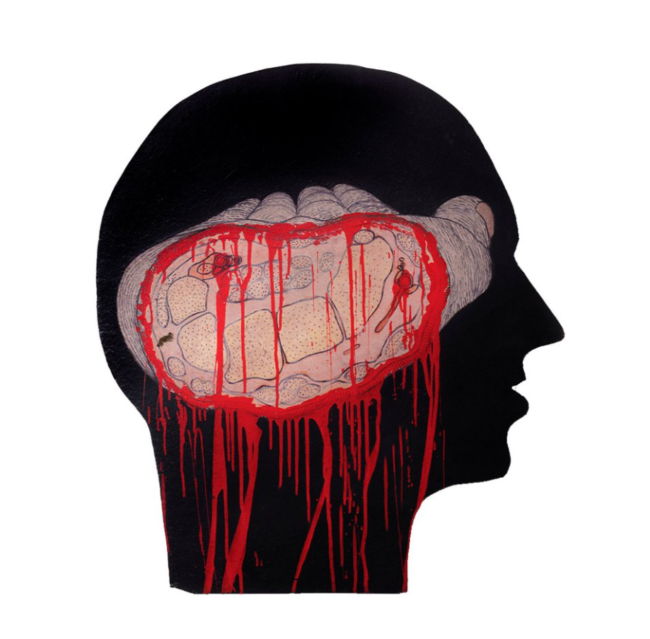
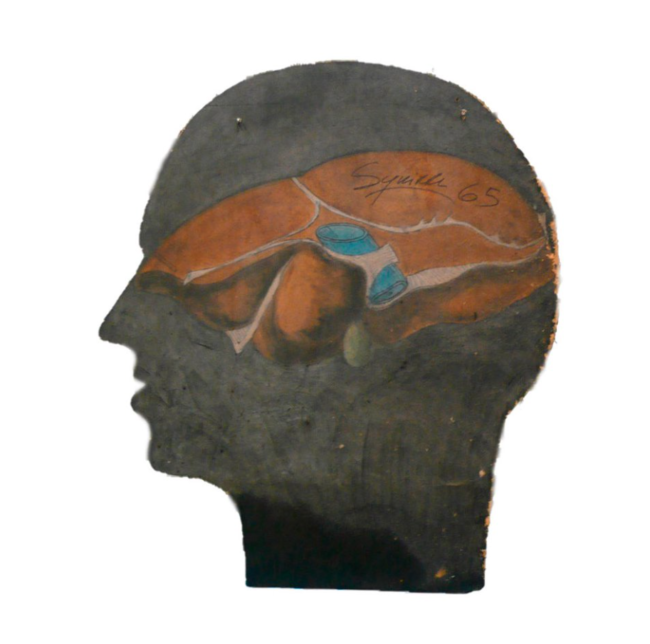
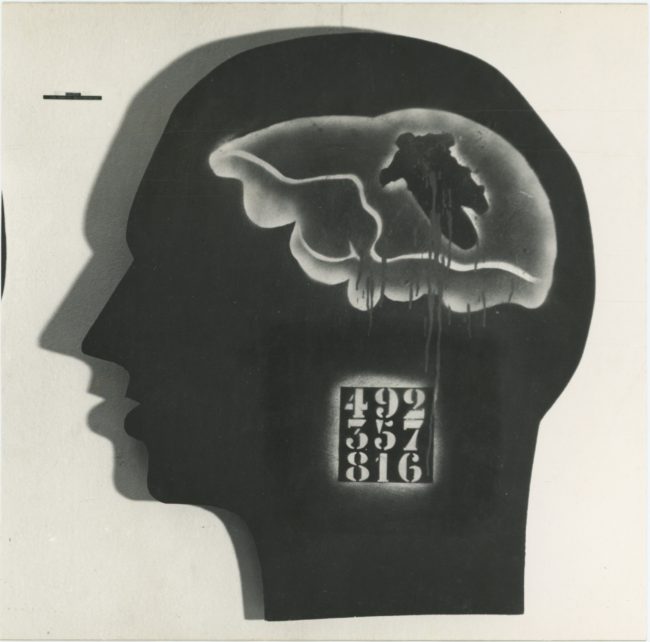
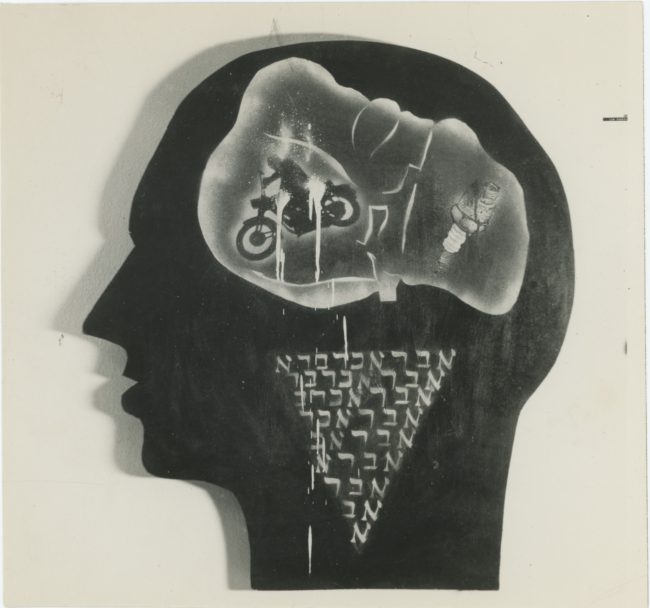
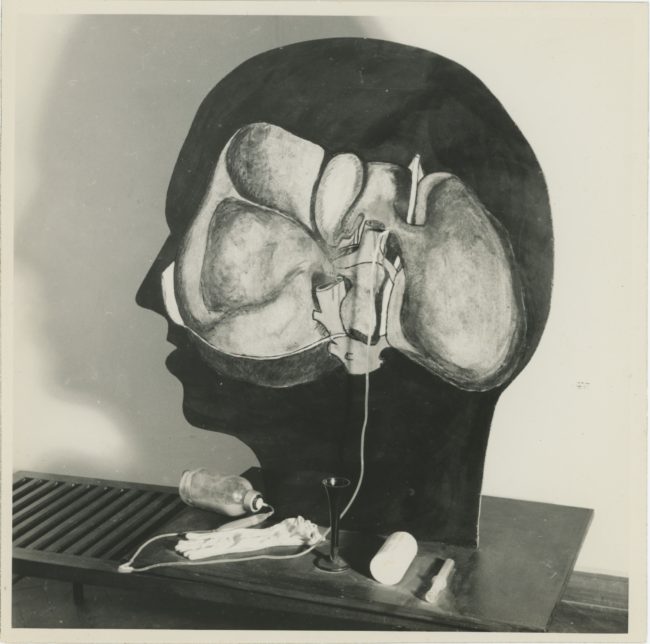
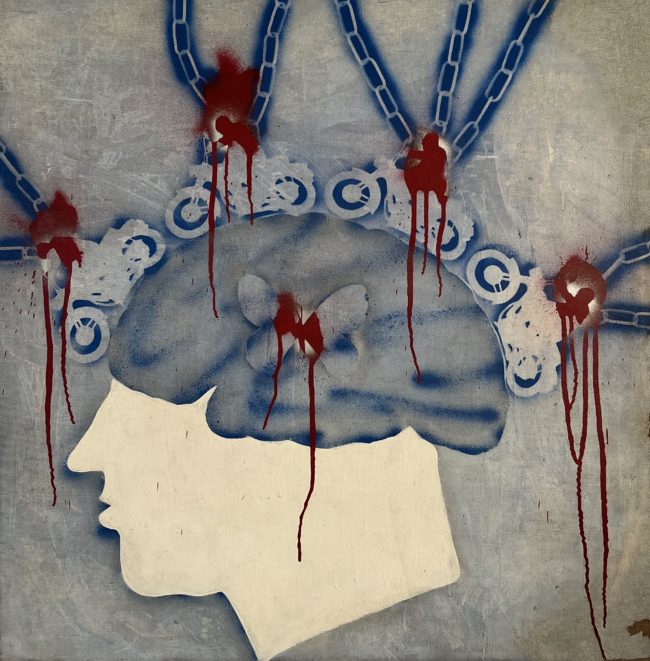
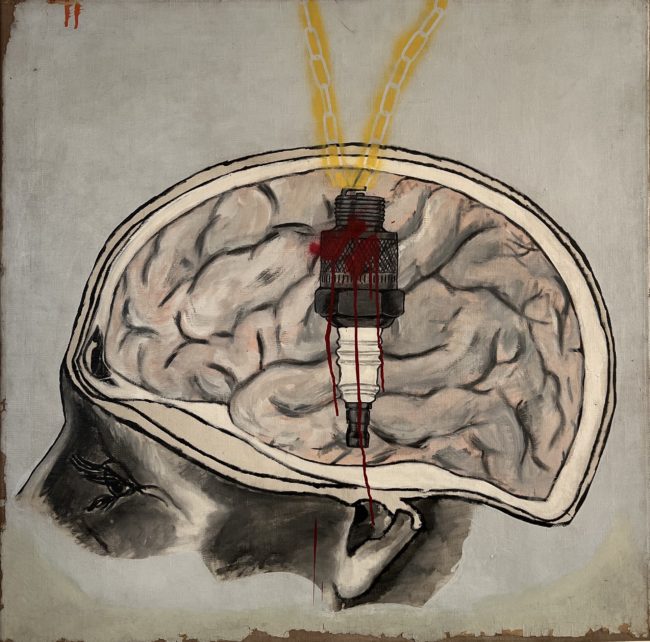
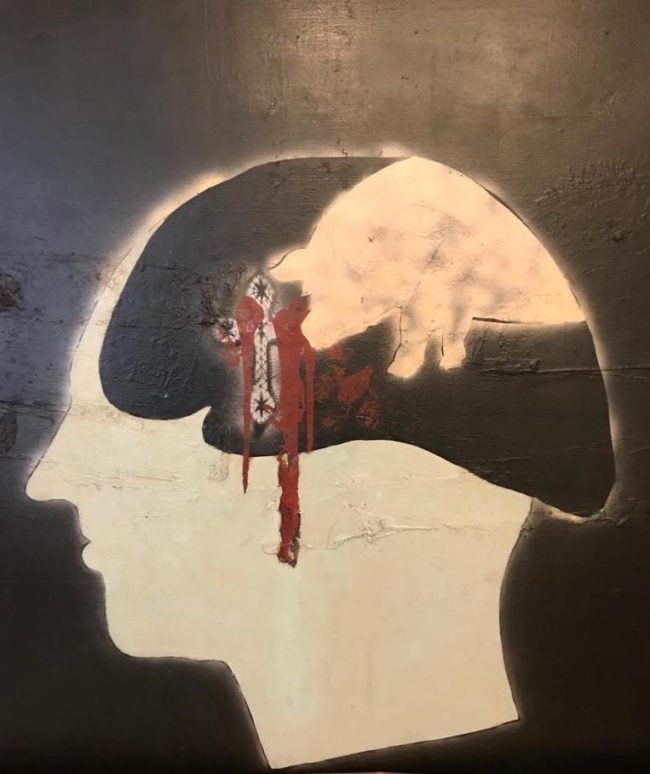
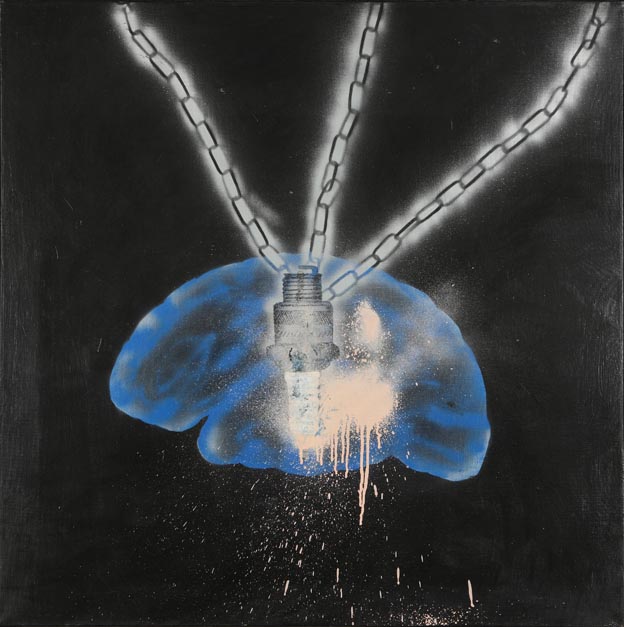
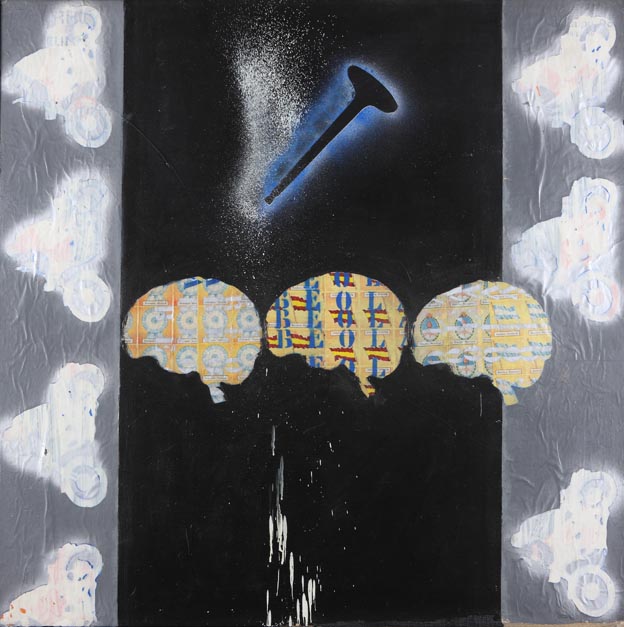
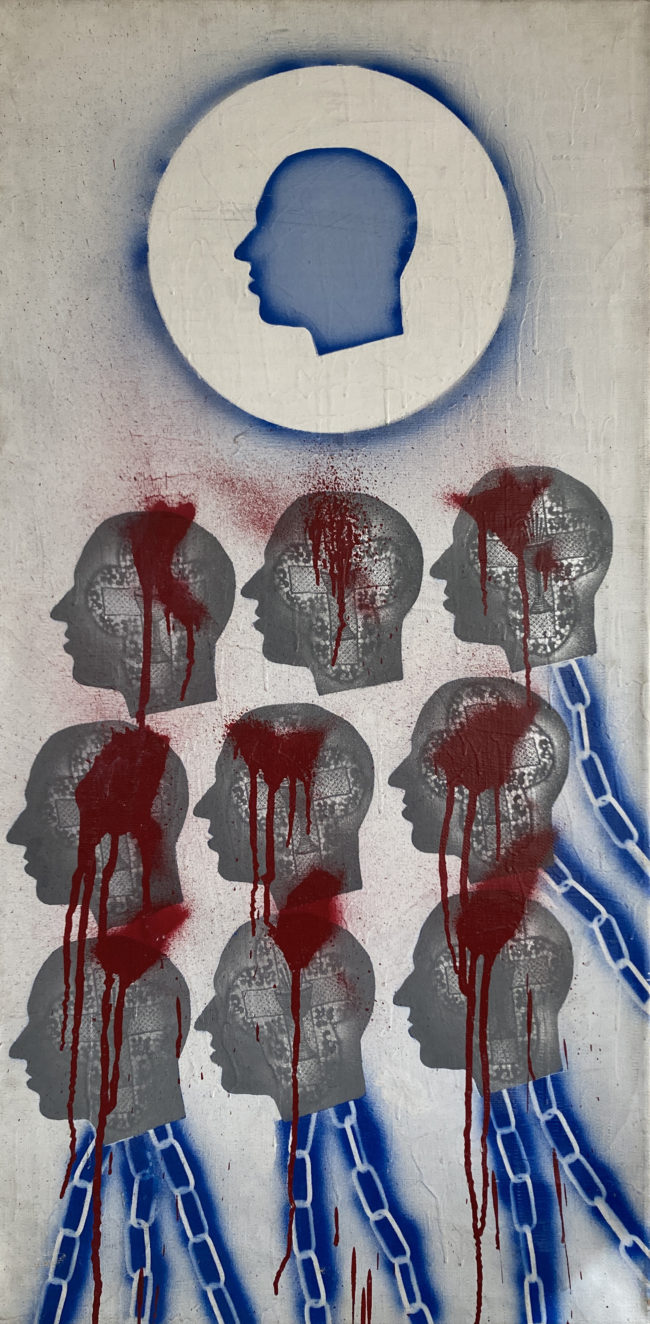
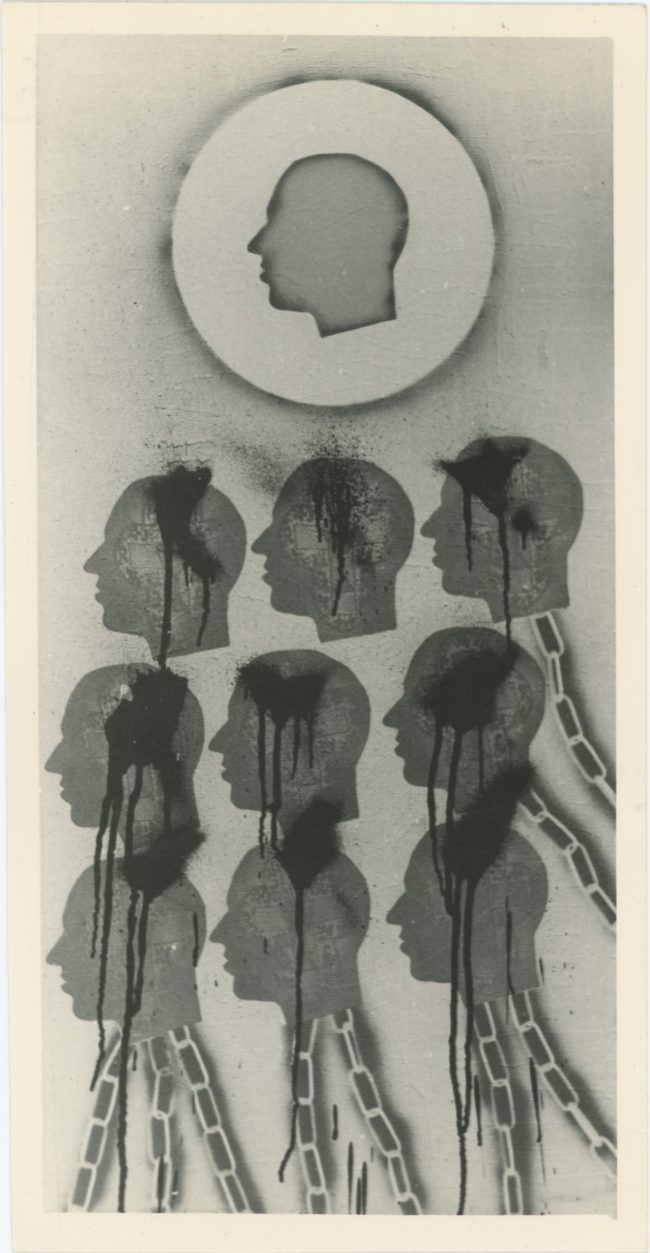
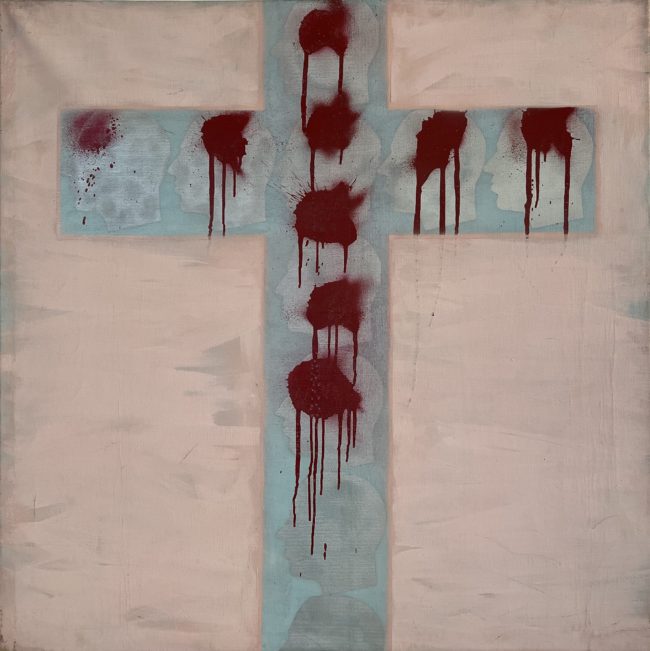
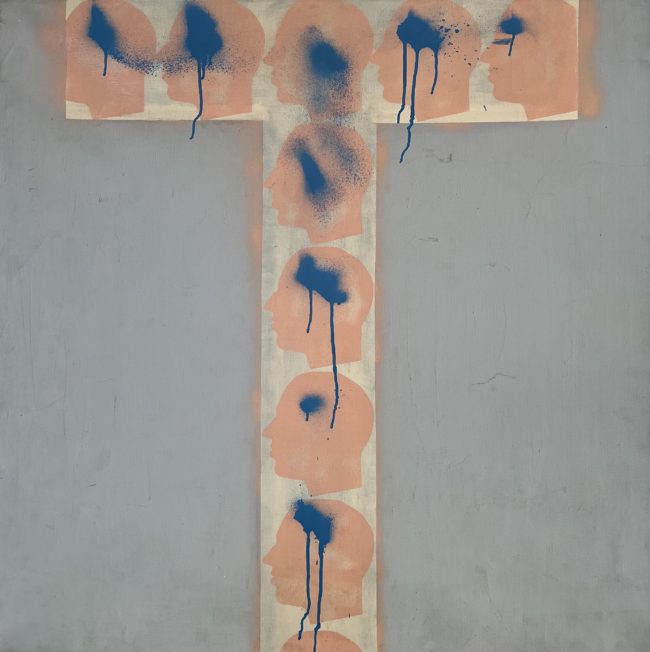
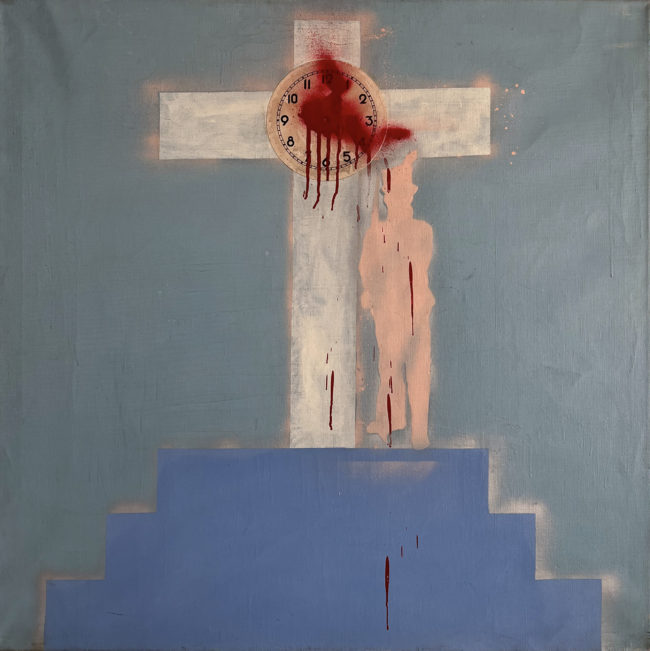
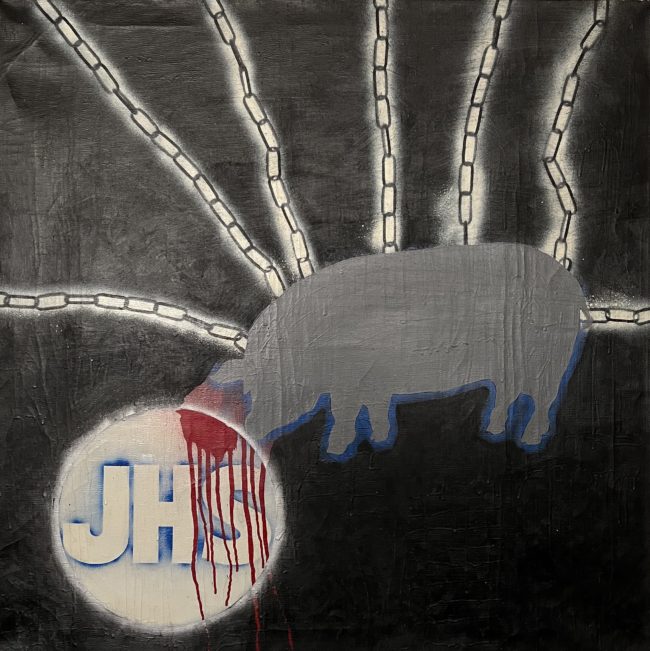
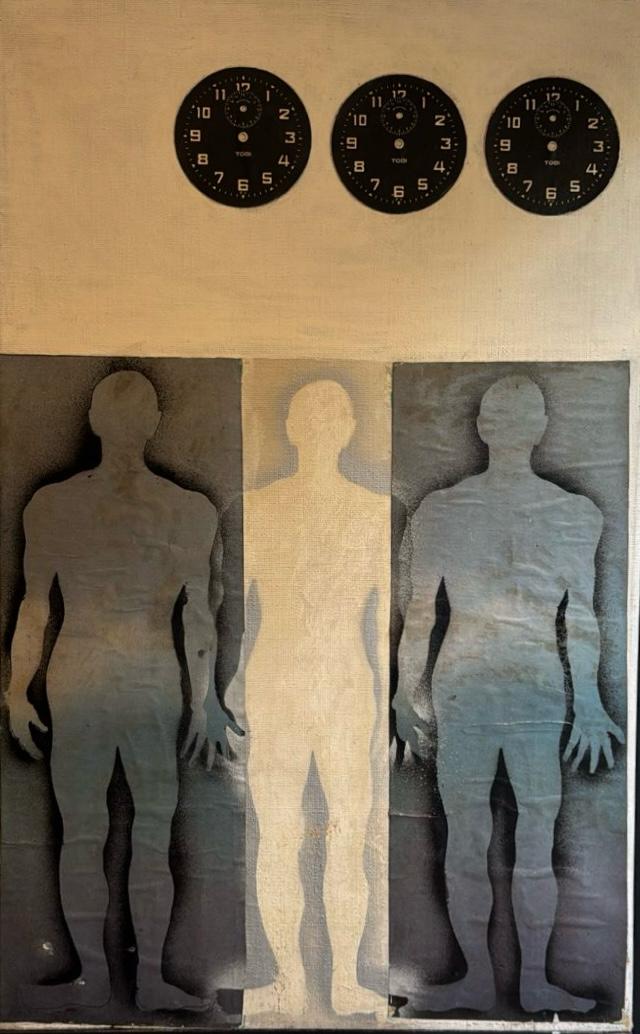
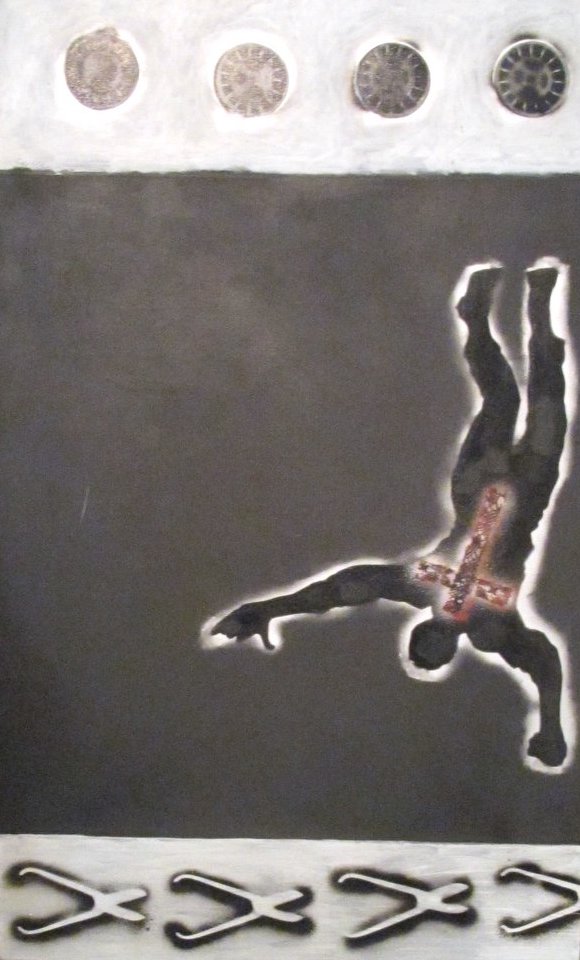
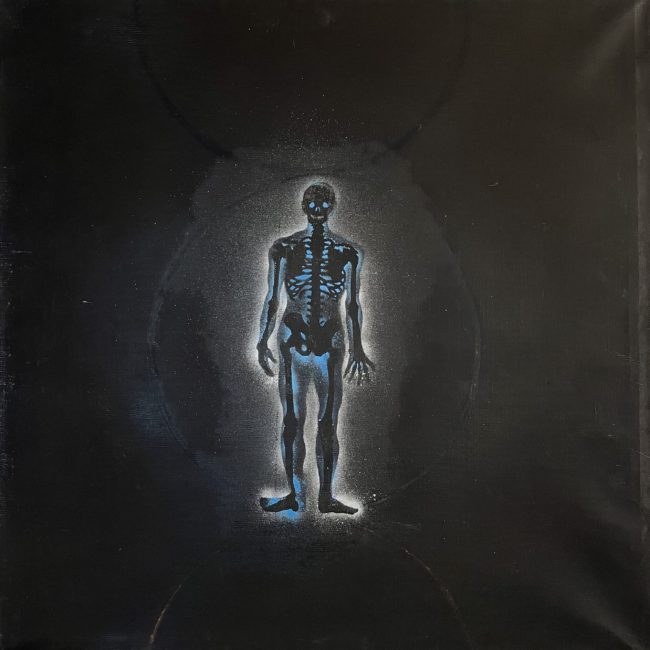
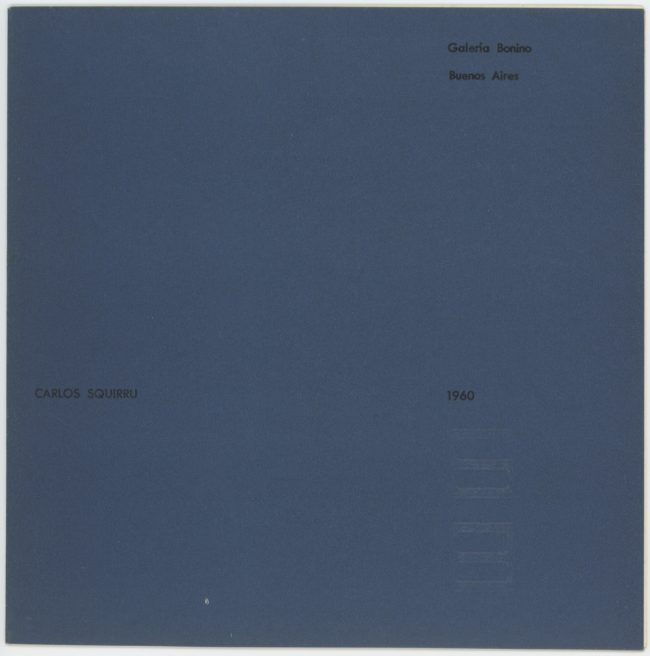
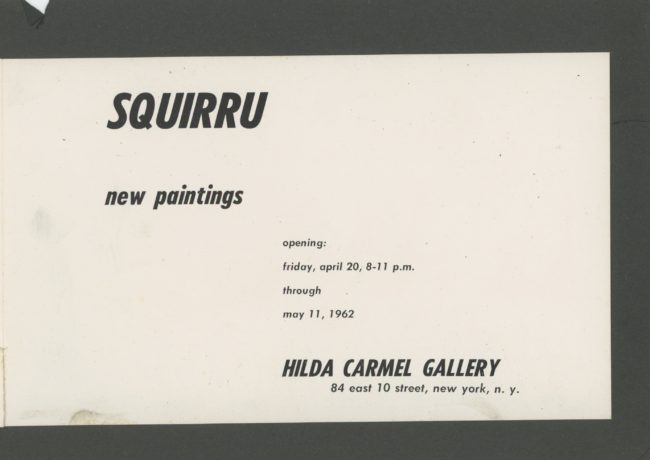
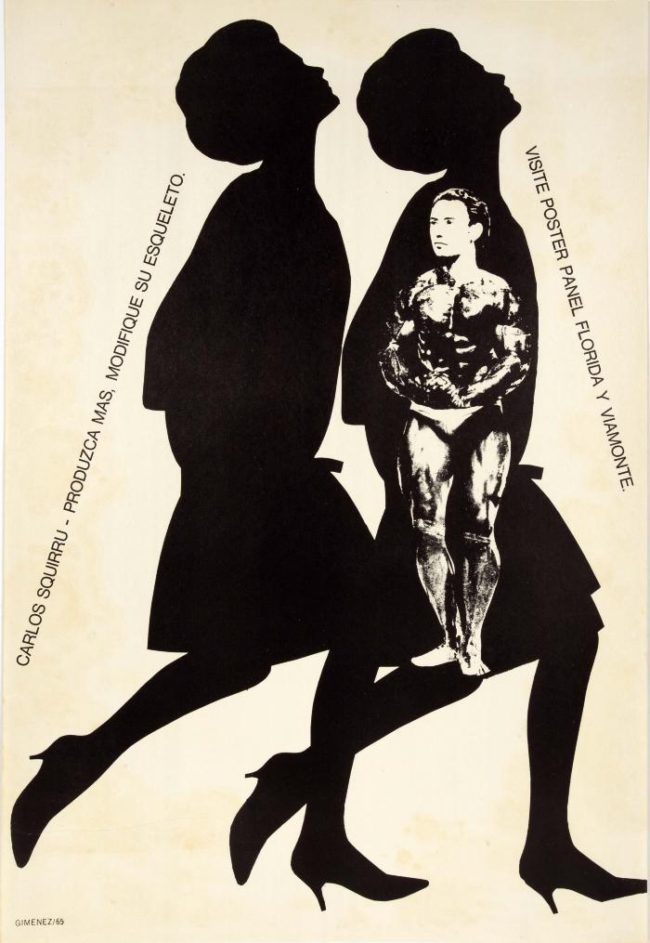
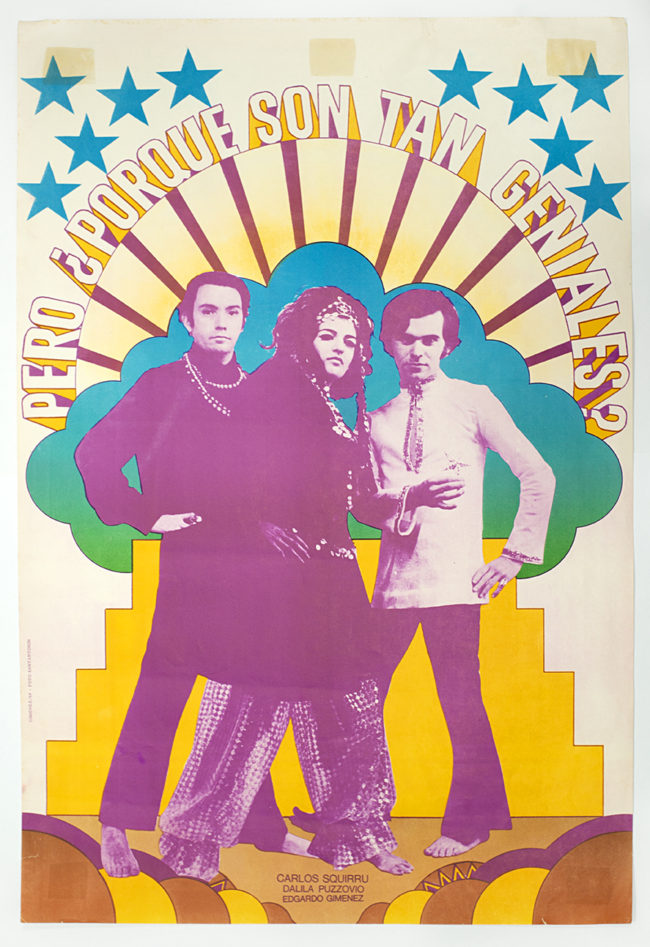
Charlie Squirru (1934, Buenos Aires – 2022, Buenos Aires) formed, alongside Dalila Puzzovio, an emblematic couple of the Argentine 1960s, with the Di Tella pop scene at its core. He studied drawing and painting with Robert Hale and Tom Fogarthy at the Art Students League of New York. In 1962, he received a scholarship from the Pratt Institute of Graphic Arts of New York to study printmaking and lithography. Trained in New York and Europe, he participated in happenings, in the first café-concert performance, in the 1965 Di Tella Prize, and in the legendary poster-panel “¿Por qué son tan geniales?” (“Why Are They So Cool?”). His paintings marked the transition from Informalism to Pop Art, with an iconography that already hinted at the political violence of the 1970s. He held solo exhibitions at the Ligoa Duncan Gallery (1960) and the Hilda Carmel Gallery (1963) in New York, at Galería Bonino and Galería North in Buenos Aires, both in 1963, and at the OAS in Washington, D.C. (1964), among others. His works are part of the collections of the MoMA, the Brooklyn Museum of Art, and the Metropolitan Museum in New York, as well as the MAMBA in Buenos Aires. He is recognized as an emblematic figure of Pop Art.
Charlie Squirru (1934, Buenos Aires – 2022, Buenos Aires) formó junto a Dalila Puzzovio una pareja emblemática de los 60 argentinos con epicentro en la escena pop del Di Tella. Estudió con Robert Hale y Tom Fogarthy dibujo y pintura en el Art Student’s League de New York. En 1962, fue becado por el Pratt Institute of Graphic Arts of New York para estudiar grabado y litografía. Formado en Nueva York y Europa participó en happenings, en la primera obra de café concert, en el Premio Di Tella de 1965 y en el legendario poster-panel “¿Por qué son tan geniales?”. Sus pinturas marcaron la transición del informalismo al pop art con una iconografía en la que pueden verse adelantos de la violencia política de los 70. Realizó exhibiciones individuales en Ligoa Duncan Gallery (1960) y en Hilda Carmel Gallery (1963) de New York, en la Galería Bonino y en la Galería North de Buenos Aires, ambas en 1963, en la OEA. Washington D.C. (1964), entre otras. Poseen obras suyas los museos MoMA, Brooklyn Museum of Arts y Metropolitan Museum de New York y el MAMBA de Buenos Aires. Es reconocido como un artista emblemático del pop.